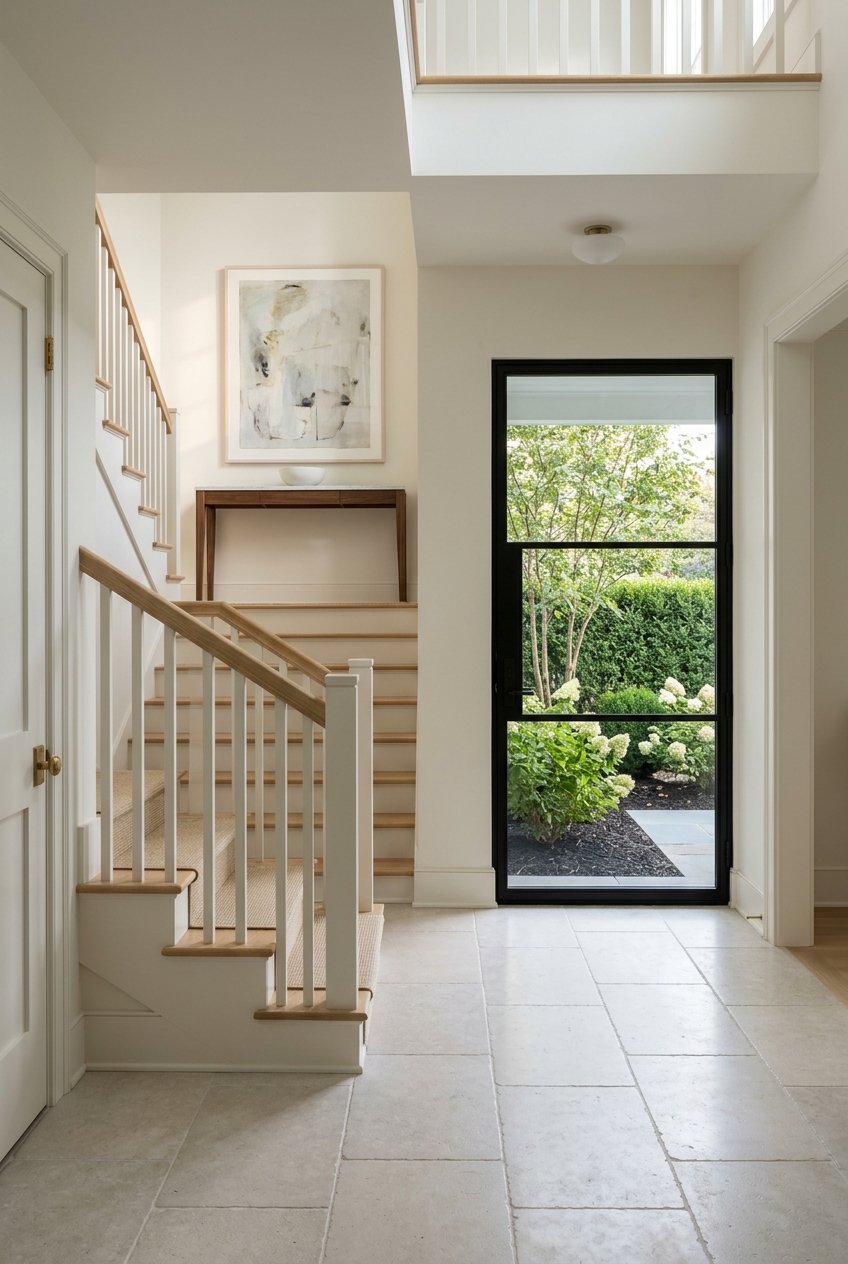
How Lake Forest Luxury Sellers Can Think About Pricing
June 25, 2026
June 25, 2026
If you are preparing to sell a luxury home in Lake Forest, pricing can feel like the most important and the most complicated decision you will make. You may see one headline saying values are up, another saying sale prices dipped, and a third showing homes still selling near or above asking. The good news is that those mixed signals do not mean the market is unclear. They mean you need a more thoughtful, local way to read it. Let’s dive in.
Lake Forest is a strong luxury market, but different data sources are measuring different things. In May 2026, Redfin reported a median closed-sale price of $1,281,733, while Realtor.com showed a median listing price of $1.9 million and Zillow’s home-value index placed average home value at $1,217,724. Those numbers are not interchangeable, so using just one can lead to the wrong pricing conclusion.
For sellers, the takeaway is simple. Closed sales tell you where buyers actually transacted, current listings show what sellers are asking, and value indexes estimate broader price movement over time. In Lake Forest, those figures together suggest that asking prices often sit above recent sold medians, while well-positioned homes can still sell very close to list price.
Your first list price is not just a starting point for negotiation. In a market like Lake Forest, it is a positioning decision that affects who sees your home, how seriously buyers take it, and whether your property gains momentum early.
That matters because the market is rewarding the right homes, but not every strategy gets the same result. Redfin reports a 100.7% sale-to-list ratio and says 45.0% of homes sold above list, yet 11.2% of homes had price drops. That split is a useful reminder that buyers will respond to strong pricing, but they also push back when a home launches above what the market can support.
A market-right price is not the lowest price. It is the price that fits your home’s most relevant sold comps, current competition, and overall condition from day one. In luxury real estate, that usually creates more urgency than an aspirational number that asks buyers to stretch without clear support.
Lake Forest’s pace supports that approach. Redfin reported median days on market of 49, and Realtor.com reported 34 median days on market in May 2026. Homes can move in a reasonable time frame here, but overpricing can slow that process and increase the odds of a reduction.
One of the biggest pricing mistakes luxury sellers make is relying too heavily on citywide averages. Lake Forest has a broad mix of properties, from expansive lakefront estates to smaller-lot homes only blocks away. Because of that, a citywide median can give useful context, but it should never be your pricing strategy by itself.
The better question is not, “What is the Lake Forest median?” It is, “Which part of Lake Forest does my home really compete in?” In this market, location, site characteristics, architecture, and condition often matter more than a broad city statistic.
Lake Forest’s micro-markets behave differently. Waterfront and bluff homes near Lake Michigan, design-sensitive east-side streets, and inland subdivisions each attract buyers in different ways and should be priced with different comp sets.
Realtor.com neighborhood data also show very small active inventory counts in many pockets, including Conway Farms, Woodland Creek Manor, Middlefork Farm, Westleigh, and Deerpath Hill Estates. When inventory is that thin, a single outlier sale can distort the numbers. That is why pricing in Lake Forest often requires both hyperlocal comps and broader context from the rest of the city.
If your property sits on the lakefront or bluff, scarcity is a major part of value. The city describes private homes lining the bluff above Lake Michigan in some areas, with features such as private beach access and docks below. Those are highly specific site traits that usually require a very tailored comp set.
In other words, your best comparables are not just large homes in Lake Forest. They are homes with similar frontage, views, access, and land characteristics. Scarcity can support a premium, but that premium still needs to be backed by real evidence from similar sales.
If your home is near Market Square, Green Bay Road, Sheridan Road, or within one of Lake Forest’s historic districts, architecture and preservation can play a major role in value. The city regulates building design through the Building Review Board and Historic Preservation Commission, and its standards emphasize preserving distinctive materials, features, and compatible additions.
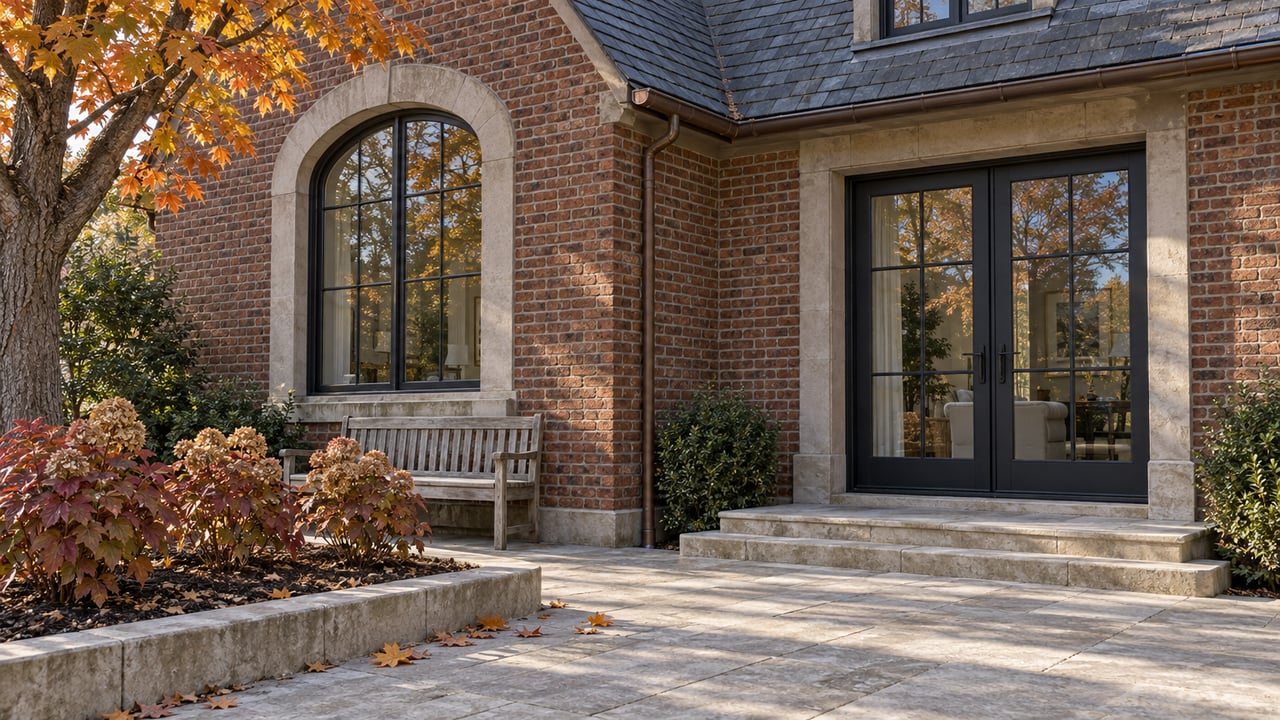
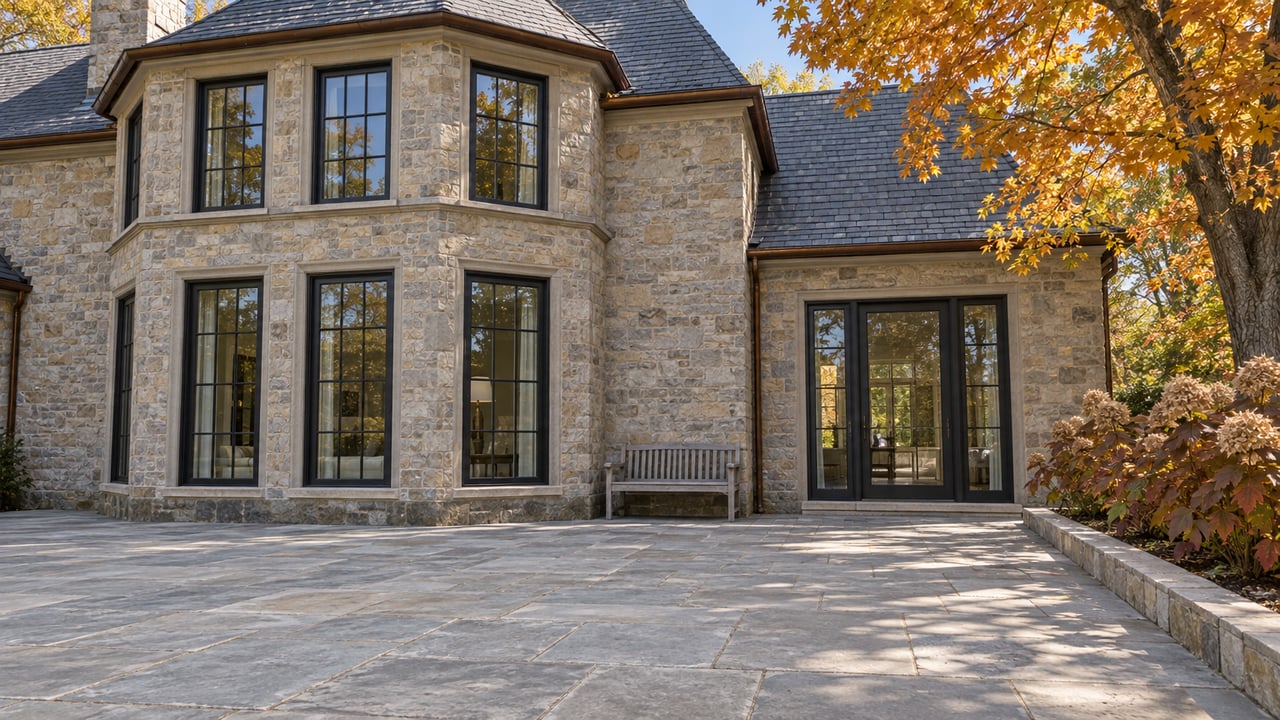
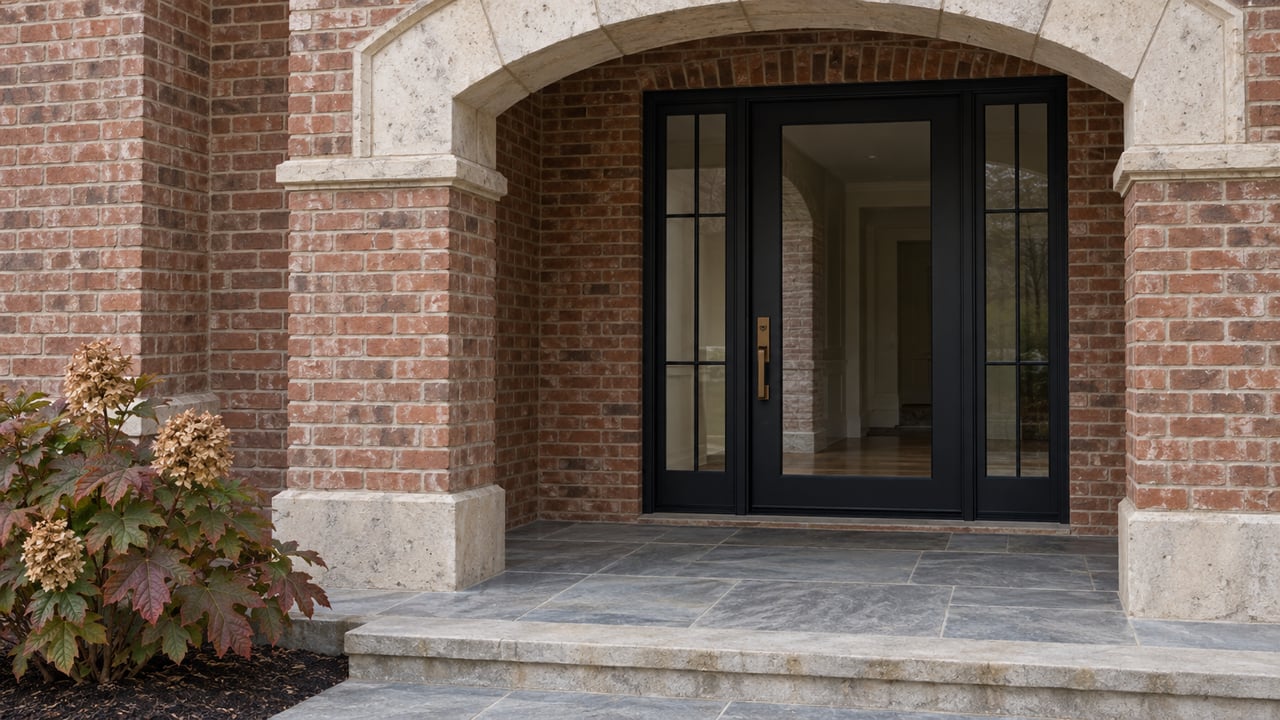
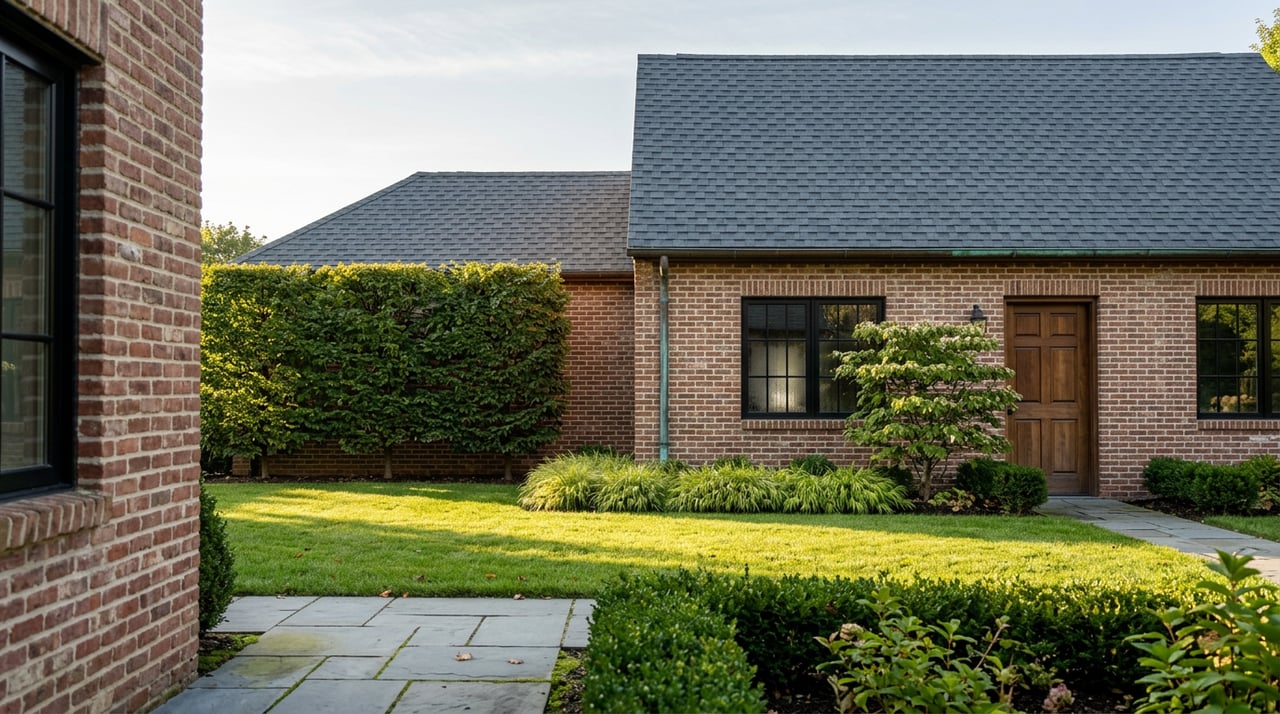
That means buyers in these areas often look closely at original brick, stone, woodwork, windows, porches, and garden walls. Thoughtful renovations can support a stronger price, while deferred maintenance or changes that feel out of sync with the home’s architectural character can narrow your buyer pool.
In neighborhoods such as Conway Farms or Middlefork Farm, buyers may weigh layout, finish level, and condition more heavily because the lot or site may be less singular than along the lakefront. In these settings, homes are often judged more directly against nearby competing properties.
That does not make pricing easier. It makes accuracy more important. When buyers can compare floor plans, updates, and presentation side by side, the home that feels best aligned on value tends to capture attention first.
In Lake Forest luxury real estate, condition is not a small adjustment. It can be one of the main drivers of value. That is especially true in architecturally significant or design-sensitive settings where buyers expect updates to feel intentional and compatible with the home.
This is one reason price-per-square-foot can be misleading. Redfin reports $389 per square foot, while Realtor.com reports $419. That gap reinforces an important point: lot size, architecture, craftsmanship, renovation quality, and overall presentation often matter more than a simple size-based formula.
When sellers think about pricing, they sometimes separate it from preparation. In practice, those two decisions are closely tied. A home that feels polished, cohesive, and ready for market often earns a stronger response because buyers can more easily understand its value.
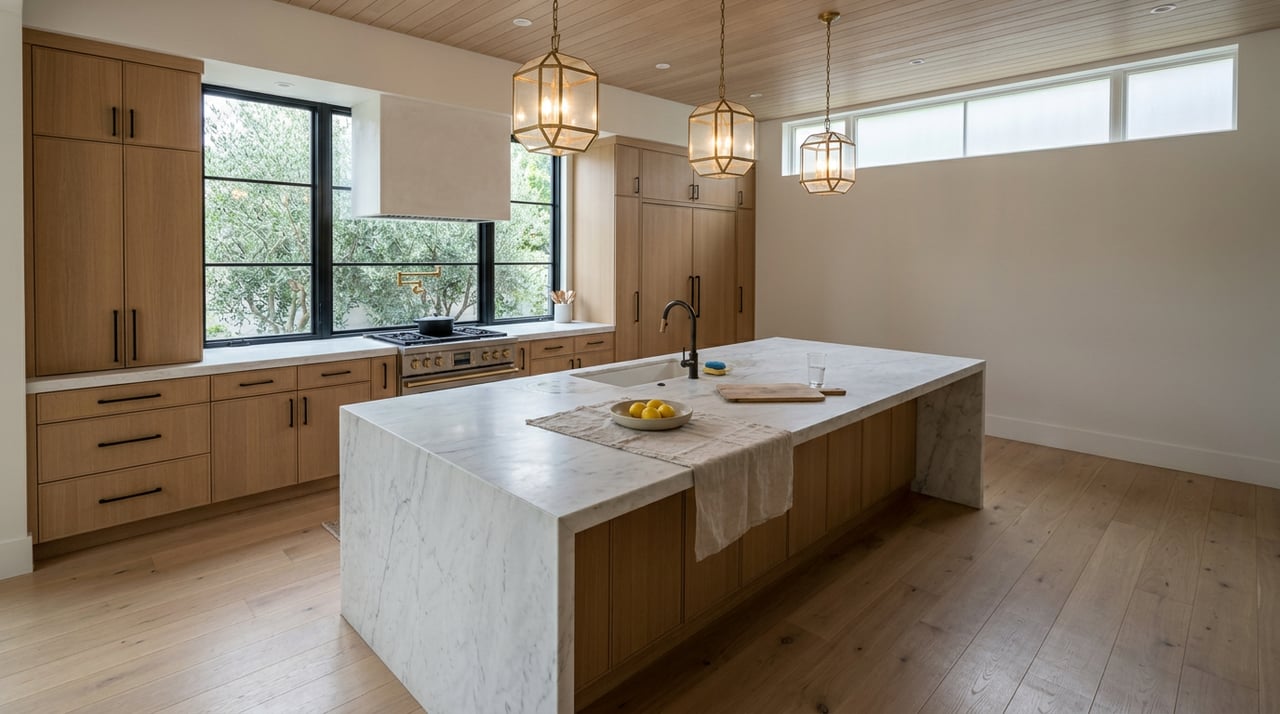
For design-conscious sellers in Lake Forest, that can mean refining layout flow, editing furnishings, adjusting color choices, and highlighting original features or quality finishes. In a market where condition and character matter, thoughtful presentation helps support the pricing story from the moment your home launches.
There is nothing wrong with wanting to maximize your outcome. The key is knowing when a premium is justified and when it becomes a drag on momentum. In Lake Forest, aspirational pricing tends to work best when a home is truly rare and the supporting comps are there.
For most sellers, market-right pricing creates a stronger path. It places your home in the right buyer search band immediately, helps serious buyers engage early, and reduces the risk that the listing grows stale. In a market where many homes still sell near list, that early alignment can matter more than starting high and chasing the market later.
If you are trying to think about pricing clearly, focus on these questions first:
These questions usually lead to a stronger strategy than asking what your home could theoretically get. Luxury buyers are often very informed, and in a market with both trophy properties and more conventional luxury homes, pricing discipline matters.
Lake Forest sellers do not need to price timidly. But they do need to price precisely. The strongest outcomes often come from a clear-eyed read of the local numbers, the right comp set, and a launch strategy that matches the home’s presentation to its price.
That is especially true in a city where waterfront scarcity, historic character, and neighborhood-by-neighborhood differences can shift value meaningfully from one block to the next. When your price reflects those details, buyers are more likely to respond with confidence.
If you are considering a sale in Lake Forest, a thoughtful pricing strategy should begin with more than a citywide headline. It should start with the story your home tells, the market pocket it belongs in, and the presentation that helps it stand apart. To schedule a design-forward consultation, connect with the Kim & Carleigh Team.
Stay up to date on the latest real estate trends.
Kim and Carleigh craft tailored marketing strategies that maximize impact and elevate every listing. Their results-driven approach delivers exceptional outcomes for buyers and sellers alike.

Kim Shortsle
Carleigh Goldsberry
560 Oakwood Ave Ste 101 Lake Forest IL 60045