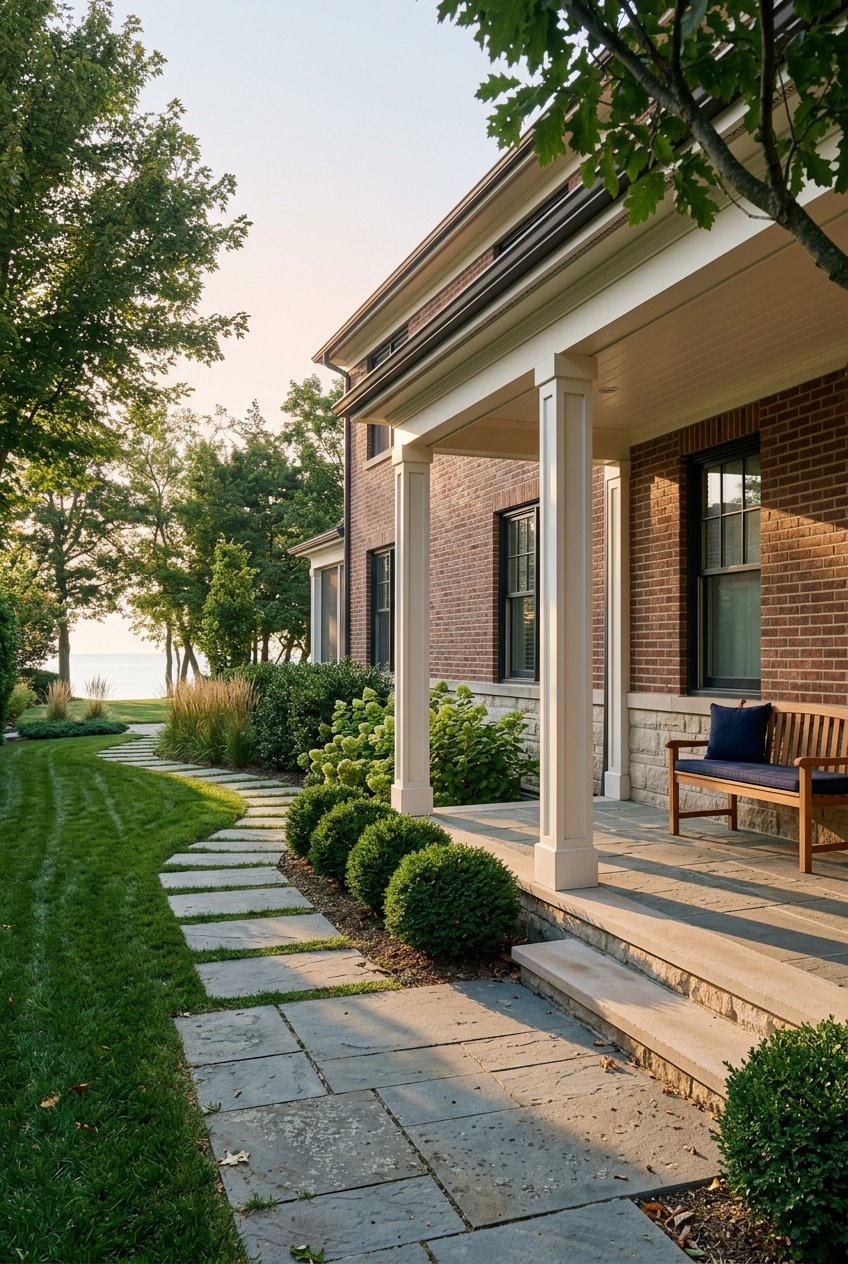
Explore the Lake Bluff Neighborhood Lifestyle
June 4, 2026
June 4, 2026
If you are drawn to Lake Bluff, chances are you are not just looking for a house. You are looking for a daily rhythm that feels calm, connected, and distinctly North Shore. In a village this compact, small shifts in location can shape how you spend your mornings, move through errands, and enjoy the lake. This guide will help you understand how Lake Bluff’s neighborhood pockets differ and what everyday lakefront living can really look like. Let’s dive in.
Lake Bluff is a compact lakefront village in Lake County with 5,834 residents, about 4 square miles of land, and 2,301 housing units. Roughly half of the land is residential, while 26% is dedicated to open space, parks, and recreation. That balance helps explain why daily life here often feels close-knit, outdoorsy, and easy to navigate.
The Village’s 2025 Comprehensive Plan emphasizes protecting Lake Bluff’s unique and natural character. It also identifies downtown as the historical and cultural center of the community. For you, that means neighborhood identity is not accidental here. It is part of how the village is planned and preserved.
One of the clearest ways to understand Lake Bluff is to think of it as offering three everyday experiences. You can live closer to the shoreline, closer to downtown, or in quieter interior pockets near parks and recreation spaces. Each area supports a different kind of routine.
If your idea of home includes shoreline walks, quick access to the bluff, and summer beach time, the lake-centered side of town may feel especially appealing. This area revolves around Sunrise Park & Beach and nearby natural spaces like Ravine Park. The setting is more about open water, trails, and outdoor time than about being near shops or transit.
Sunrise Beach opens for the 2026 season on May 23. It is free to Park District residents, offers non-resident daily passes, closes nightly at 10 p.m., and uses a flag system to post swimming conditions. For many buyers, that kind of access shapes daily life in a meaningful way, especially during warmer months.
Living near the lake can make ordinary routines feel more scenic. A morning walk, an evening at the beach, or a quick visit to nearby natural areas becomes part of the week instead of a special trip. That is a major part of the appeal of everyday lakefront living in Lake Bluff.
Downtown Lake Bluff offers a different kind of convenience. The Village describes it as compact and walkable, with mature trees and a strong civic presence. Within a relatively small area, you have Village Hall, police and fire services, the Metra station, the library and museum, Village Green, the post office, restaurants, and retail shops.
The Lake Bluff Public Library is located at 123 E. Scranton Ave. and shares its building with the Lake Bluff History Museum. That pairing says a lot about downtown life here. Errands, community events, and local history are woven together within just a few blocks.
The downtown streetscape plan also focuses on better pedestrian connections, seating, bicycle racks, lighting, and stronger connections between the Metra parking lot and downtown. If you want a neighborhood feel that supports walking to daily destinations, this part of Lake Bluff stands out.
Away from the shoreline and downtown core, Lake Bluff opens into quieter residential areas shaped by parks, preserves, and recreation spaces. The Park District’s locations include Ravine Park, Sanctuary Park, Carolyn Goetz Wetland Nature Preserve, West School Park, Knollwood Park, and Blair Park Campus. These areas create a softer, more tucked-away feel.
Blair Park Campus is especially important to everyday life for many residents. It includes the recreation center, Lake Bluff Health and Fitness Center, preschool, before- and after-school care, the School of Dance, the golf club, and paddle tennis facilities. In practical terms, some interior pockets of Lake Bluff feel less centered on the lake and more centered on recreation and community programming.
If you prefer a residential setting that still connects easily to amenities, these areas can offer a strong balance. You are not choosing between convenience and calm. You are often choosing which type of convenience fits your routine best.
Because Lake Bluff is compact, daily life can feel efficient without feeling rushed. You are about 35 miles north of downtown Chicago, and the village is served by Metra commuter rail. The Lake Bluff station sits on the Union Pacific North line at 600 Sheridan Road, which matters if your week includes regular travel south.
The Village also identifies key local corridors and bike routes, including Sheridan Road, Green Bay Road, IL-43, IL-176, U.S. Route 41, the North Shore Bike Path, and the Robert McClorey Bike Path. That network gives you more than one way to move through the area, whether your day revolves around driving, walking, biking, or commuting.
For recreation, the Park District maintains ten parks and open space areas, along with an outdoor aquatic facility, recreation building, golf course, fitness center, ice rink, paddle hut, playgrounds, and the Lake Michigan beach. That range of amenities helps explain why Lake Bluff feels active and livable across seasons, not just in summer.
For many households, school logistics are part of neighborhood planning. Most students from Lake Bluff and Knollwood attend Lake Bluff Elementary District 65 schools and Lake Forest High School District 115. District 65 is based at 121 E. Sheridan Place and currently lists Lake Bluff Elementary School and Lake Bluff Middle School.
The key takeaway is not simply where the schools are located. It is how that fits into the village’s compact footprint. In Lake Bluff, short distances can make drop-offs, after-school programs, library stops, and park visits feel more integrated into your normal day.
Lake Bluff’s housing profile plays a major role in how its neighborhoods read from block to block. According to the Comprehensive Plan, single-family homes make up more than 95% of the housing stock. Smaller housing types like townhomes, apartments, and condominiums are limited.
That tends to create a more consistent residential feel across much of the village, even though each pocket has its own lifestyle identity. At the same time, the Village has stated that it is open to considering more attainable housing in the central business district, the R-5 district, western commercial areas, and other appropriate subareas. Over time, that may influence how certain locations evolve.
Historic preservation also matters here. Lake Bluff’s preservation regulations and interactive preservation map show that neighborhood character is an active policy goal. If you are someone who values architectural continuity, established streetscapes, and a strong sense of place, that can be an important part of the village’s appeal.
The best neighborhood fit often comes down to how you want your day to unfold. In Lake Bluff, your location can shape whether your lifestyle feels more shoreline-focused, more walkable and civic-minded, or more park- and recreation-oriented.
Here are a few helpful ways to think about it:
In a market like Lake Bluff, this kind of neighborhood matching matters. A home can be beautifully designed and still feel wrong for your routine if the surrounding pocket does not support the lifestyle you want.
Lake Bluff is small, but it is not one-note. That is what makes it compelling and, at times, nuanced for buyers and sellers alike. Two homes with similar square footage can offer very different daily experiences depending on whether they sit near the beach, near downtown, or closer to interior park spaces.
That is also why thoughtful presentation matters when it is time to sell. Buyers are often responding not just to the home itself, but to the rhythm of life the location suggests. When a property is positioned with clear neighborhood context and crafted presentation, that story becomes easier for the right buyer to understand.
If you are considering a move in Lake Bluff, the right strategy starts with seeing the village the way buyers live it day to day. The Kim & Carleigh Team can help you evaluate neighborhood fit, prepare your home with design-forward guidance, and navigate the market with a polished, hands-on approach.
Stay up to date on the latest real estate trends.
Kim and Carleigh craft tailored marketing strategies that maximize impact and elevate every listing. Their results-driven approach delivers exceptional outcomes for buyers and sellers alike.

Kim Shortsle
Carleigh Goldsberry
560 Oakwood Ave Ste 101 Lake Forest IL 60045