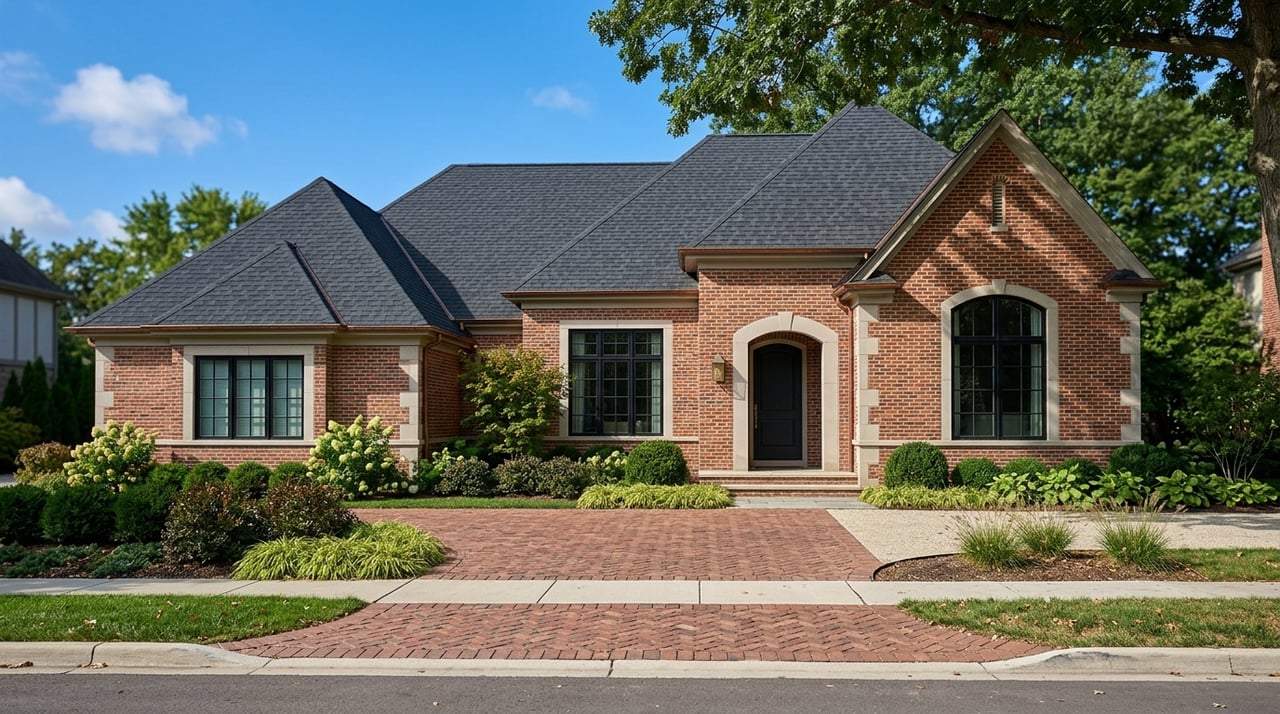
Lake Forest Neighborhood Comparison for Your Lifestyle
June 11, 2026
June 11, 2026
If you are drawn to Lake Forest, you have probably already noticed that one part of town can feel very different from the next. Some areas put you close to Market Square and the train, while others lean into bluff views, preserve access, or a more tucked-away estate setting. This guide will help you compare Lake Forest neighborhoods by lifestyle, so you can narrow your search with more clarity and confidence. Let’s dive in.
Lake Forest is shaped as much by geography and planning as by neighborhood labels. The city stretches from Lake Michigan on the east to I-94 on the west, and its planning documents emphasize open space, low density, and compatibility with neighborhood character.
That means your day-to-day experience often depends on where you are in town. In general, buyers tend to compare Lake Forest by a few practical lifestyle factors: walkability, train access, privacy, proximity to open space, lot size, and how much preservation oversight may apply.
If you want to be closest to errands, restaurants, civic spaces, and commuter rail, the near-town core usually stands out first. This area is anchored by Market Square and the linear Central Business District along Western Avenue and the railroad tracks.
The East Lake Forest Metra station on the UP-N line sits at 691 N. Western Ave., making this the city’s strongest walkable rail-and-retail zone. The downtown plan also highlights pedestrian-oriented outdoor spaces, courtyards, the Greensward, and the historic setting of Market Square.
This part of Lake Forest often appeals to buyers who want convenience built into everyday life. If you picture walking to coffee, handling a quick errand, or catching the train without a long drive, the near-town area may feel like the right match.
It can also suit buyers who appreciate older neighborhood fabric and a stronger sense of established streetscape. In exchange, you will often find tighter lots and more preservation sensitivity than in some newer parts of town.
Lake Forest’s residential design guide points to smaller-lot east-side neighborhoods such as Edgewood Road, West Park, and Washington Circle. These areas largely date to the 1910s and 1920s and are known for consistent setbacks and detached rear garages.
That creates a distinct visual rhythm from block to block. If you are drawn to original siting, older home styles, and a more traditional neighborhood pattern, these streets may deserve a closer look.
Not every near-town neighborhood has the same feel. Lake Forest Heights and Northmoor developed later, into the 1960s and 1970s, and the city identifies them as having a varied mix of styles, one- to two-story houses, mature vegetation, and grid streets rather than the curving road pattern seen elsewhere in town.
For some buyers, that mix can feel a little more flexible and less formal than the older east-side blocks. It is still close to town, but with a different residential texture.
If your ideal home search starts with views, shoreline access, and a more retreat-like atmosphere, the lake-oriented parts of Lake Forest may rise to the top. The city’s eastern edge is Lake Michigan, with more than three miles of shoreline and more than a half-mile of public beach.
Forest Park sits above the beach and offers trails and long views, while private homes line the bluff north and south of the public beach. The result is a part of town defined by water, elevation, and a strong connection to open sky and landscape.
This zone often suits buyers who prioritize scenery, privacy, and a quieter feel. If your idea of luxury is less about being in the middle of activity and more about having space, views, and a calm setting, this part of Lake Forest can be especially compelling.
The trade-off is convenience. Compared with the east-of-tracks core near downtown, lakefront and bluff locations are usually less geared to spontaneous walk-to-town errands.
Forest Park is one of the city’s standout public assets, thanks to its bluff-top setting and beach access below. For buyers who want regular access to a scenic outdoor backdrop, that can be a major lifestyle benefit.
Nearby public access and views near Fort Sheridan also matter in this part of the market. These features help shape the overall feel of the south and southeast portions of Lake Forest.
At the city’s south edge, McCormick Nature Preserve extends from Sheridan Road to the lake. Fort Sheridan adds another major outdoor resource, with 317 acres of preserve land, a 70-foot-high bluff overlook, 3.65 miles of trails, a sandy shoreline, and habitat known for birding and ravines.
If hiking, shoreline walks, and daily access to natural scenery are high on your list, these areas can offer a strong fit. They bring a different kind of value than walkability to downtown, and for many buyers that distinction matters.
Some of Lake Forest’s most secluded-feeling neighborhoods grew out of subdivided estates. The residential design guide identifies Estate Lane, Foster Place, West Onwentsia Road, and the Meadowood/Inverleith area as examples.
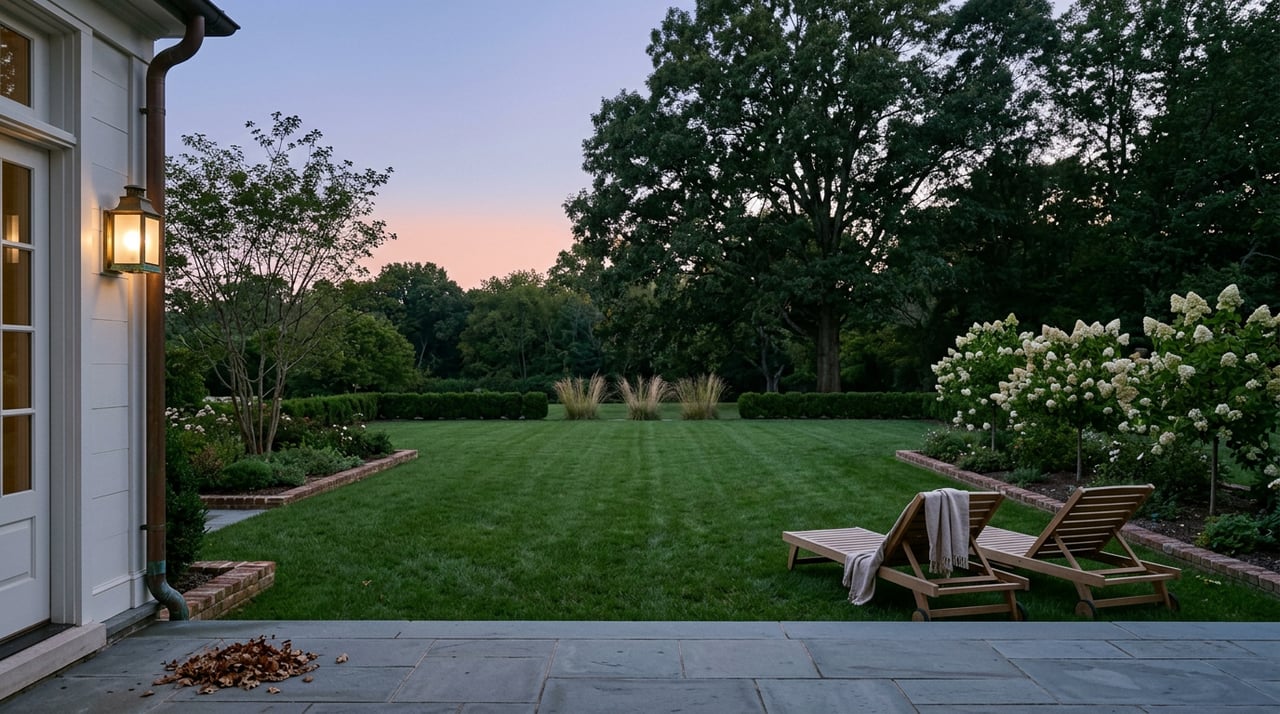
These areas commonly blend historic estate homes with newer infill and sit within mature landscapes. Homes here often appear nestled into the site, which adds to the sense of privacy and visual softness.
If you are looking for mature landscaping, estate scale, and a more tucked-away setting, these corridors may be worth prioritizing. They often appeal to buyers who want a calm, established atmosphere and value separation from busier streets and denser blocks.
This part of Lake Forest can also attract buyers who appreciate architectural variety. The city’s design guidance highlights a wide range of locally relevant styles across town, including Colonial Revival, Tudor, French Eclectic, Italianate, Contemporary, Ranch, and Italian Renaissance.
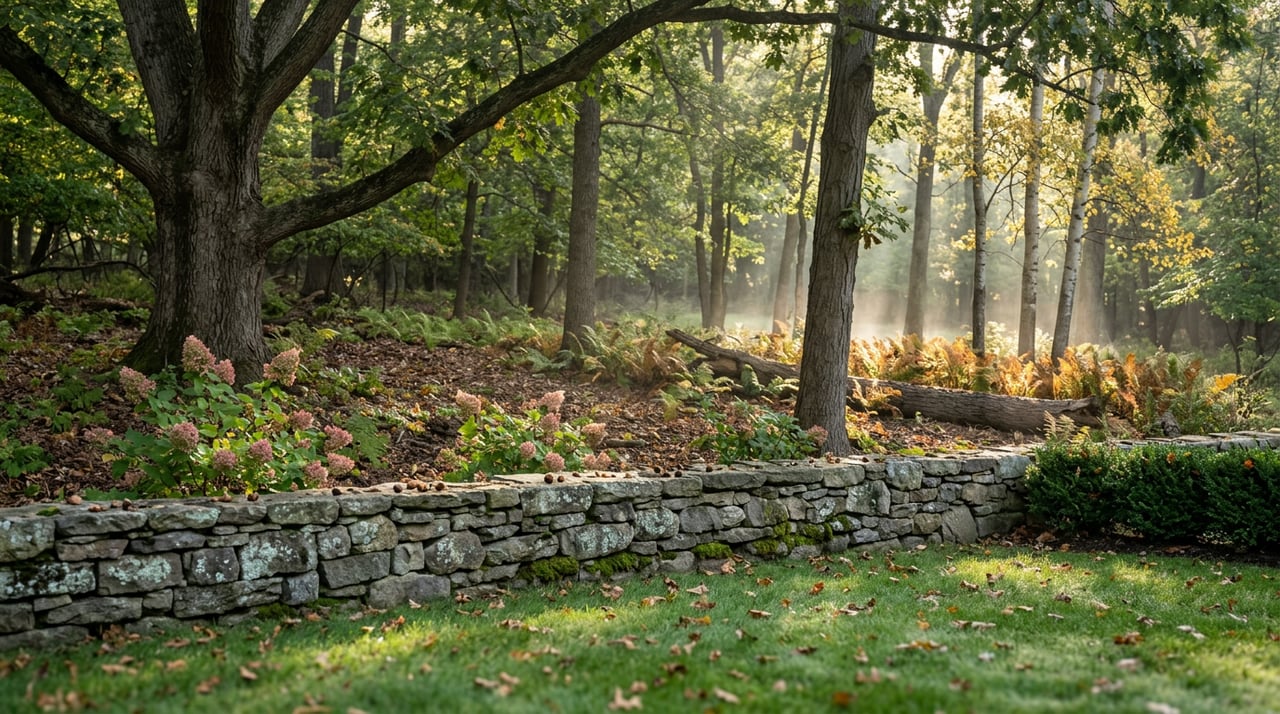
Former-estate areas tend to feel shaped by landscape first and homes second. Instead of a tight urban rhythm, you are more likely to notice mature trees, longer drives, and houses set into the land rather than pushed toward the street.
That sense of placement is part of what makes these areas distinctive. It also aligns with the city’s broader emphasis on preserving landscape and neighborhood character.
On the west side of Lake Forest, you will find neighborhoods that reflect later suburban eras and, in many cases, more conventional subdivision patterns. The city’s design guide describes areas such as Whispering Oaks and the Westfork/Wilson neighborhood as largely developed from the 1950s through the 1970s, with split-level, Contemporary, and Ranch homes screened by mature vegetation.
Later neighborhoods include Onwentsia Gardens and The Ponds from the 1980s, along with Wedgewood, Oak Knoll, and Evergreen, which tend toward medium- and large-lot homes from the 1980s and 1990s. These areas often feature masonry exteriors, larger front yards, circular drives, and side-loading garages.
West-side Lake Forest can be a good fit if you prefer a more conventional suburban layout or hope to find later construction. Buyers who want easier car access, more parking, and a less historic-block feel often focus here.
This side of town also benefits from practical transportation advantages. The MD-N Metra station is located at 911 Telegraph Road and includes 517 parking spaces, while I-94 forms the city’s western boundary.
Even in later subdivisions, Lake Forest maintains a strong design and review culture. The city’s standards continue to emphasize landscape preservation, compatibility with nearby homes, and siting that reduces visual mass.
So while these neighborhoods may feel newer or more suburban, they are not disconnected from the city’s broader planning approach. That consistency is part of what gives Lake Forest a cohesive identity across different sections of town.
In Lake Forest, preservation is not just a background detail. It is a meaningful part of how many neighborhoods evolve over time.
The Building Review Board standards call for setbacks, screening, landscape protection, compatible scale, and high-quality materials. The city also discourages demolition when renovation and expansion can preserve existing character.
Historic-district review applies in places such as the East Lake Forest District, Green Bay Road District, and the Vine/Oakwood/Green Bay Road District. In older east-side blocks and historic districts, these rules tend to matter most.
For buyers, that is not automatically a drawback or a benefit. It simply means the setting may be more carefully managed, which can affect future exterior changes, additions, or redevelopment plans.
If you are trying to narrow your search, it helps to begin with your daily habits rather than with a map. Think first about how you want to live, then look for the part of Lake Forest that supports that rhythm.
Here is a simple way to frame it:
The right fit is rarely about one feature alone. In Lake Forest, the best neighborhood for you is usually the one that aligns most closely with how you want your home to feel every day.
If you are weighing where to focus in Lake Forest, the right guidance can save time and sharpen your search. The Kim & Carleigh Team can help you compare neighborhood character, lot patterns, preservation context, and presentation value so you can move forward with confidence.
Stay up to date on the latest real estate trends.
Kim and Carleigh craft tailored marketing strategies that maximize impact and elevate every listing. Their results-driven approach delivers exceptional outcomes for buyers and sellers alike.

Kim Shortsle
Carleigh Goldsberry
560 Oakwood Ave Ste 101 Lake Forest IL 60045