Thinking about listing your Lake Forest home and want it to stand out from the start? Buyers on the North Shore expect refined presentation, thoughtful design, and outdoor spaces that feel like extensions of the home. With a design-forward staging plan, you can showcase craftsmanship, protect pricing power, and help buyers see how the property lives. Here is a clear, room-by-room playbook tailored to Lake Forest homes and estates. Let’s dive in.
What Lake Forest buyers expect
Lake Forest draws buyers who value architect-designed homes, preserved millwork, and large, private lots. They look for updated but classic interiors that respect a home’s era and highlight quality materials. Outdoor integration matters, from patios and pool terraces to framed views of woods or the lake.
Seasonality plays a role. In winter, prioritize safe, cleared walkways and warm, well-lit interiors. In spring and summer, lean into landscaping, outdoor seating areas, and sightlines to the yard or water. If you plan exterior changes, confirm any historic or HOA rules with the City of Lake Forest or your neighborhood association before you begin.
Palette that sells
Your color story sets the tone the moment buyers step inside. Aim for warm, neutral layers that feel tailored and calm.
- Base colors: soft whites, warm greige, and light taupe flatter natural light and historic wood tones.
- Accents: add depth with jewel-toned or deep neutrals used sparingly, like navy, charcoal, hunter green, or deep teal.
- Materials: highlight real, tactile finishes such as natural stone, warm woods, leather, wool, antique brass, and satin nickel.
- Textiles: layer wool throws, linen cushions, and textured rugs to warm larger rooms, especially in colder months.
Lighting that flatters
Layered lighting makes rooms feel larger, warmer, and more usable. It also photographs better and reads clearly in person.
- Natural light: pull back heavy drapery and trim exterior plantings that block windows or views.
- Three layers: combine ambient ceiling light, task lighting at counters or desks, and accent lighting like picture lights.
- Color temperature: use warm light in living spaces at 2700K–3000K, and slightly cooler task light in kitchens at 3000K–3500K. Keep color temperature consistent within each room.
- Brightness and control: replace mismatched bulbs and add dimmers where appropriate for flexibility.
- Exterior lighting: ensure visible, well-lit entries, safe path lighting, and subtle uplighting for specimen trees to boost evening curb appeal.
Right-size art and placement
Scaled art helps rooms feel finished and high-value. Under-scaled pieces make spaces seem empty.
- Hanging height: center artwork at roughly 57–60 inches from the floor in most rooms.
- Scale above furniture: fill about 60–75% of the wall width above key pieces like a sofa or console.
- Large walls: use a single large piece or a cohesive, well-spaced grouping. Avoid scattering many small items.
- Frame style: choose classic frames for traditional rooms and slimmer profiles for transitional spaces. Favor neutral, low-personality art like landscapes, abstract fields, or architectural photography.
Layout and furniture scale
Rooms should read as functional and proportionate the second buyers walk in.
- Size to the space: in large rooms, create conversation zones that keep seating within an 8–12 foot radius.
- Clear paths: maintain 30–36 inches of circulation on primary walkways. Keep doors, patios, and closets easy to access.
- Rugs that anchor: select rugs large enough that front legs of seating rest on them. Avoid small rugs that chop up the room.
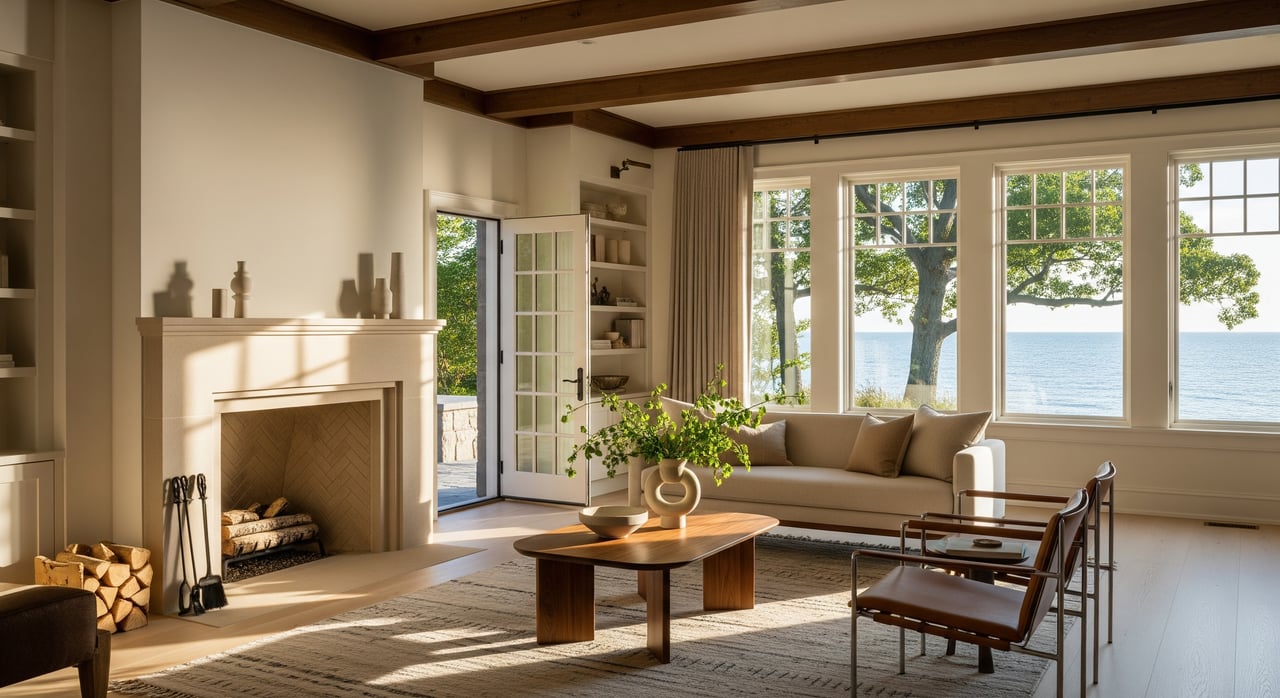
- Focal points: orient seating and lighting toward fireplaces, built-ins, or view lines. In foyers, add a scaled console or table and a large mirror or art for a confident entry moment.
- Single-purpose rooms: in estates, clarify each formal space so buyers do not guess its use.
Curb appeal and outdoor staging
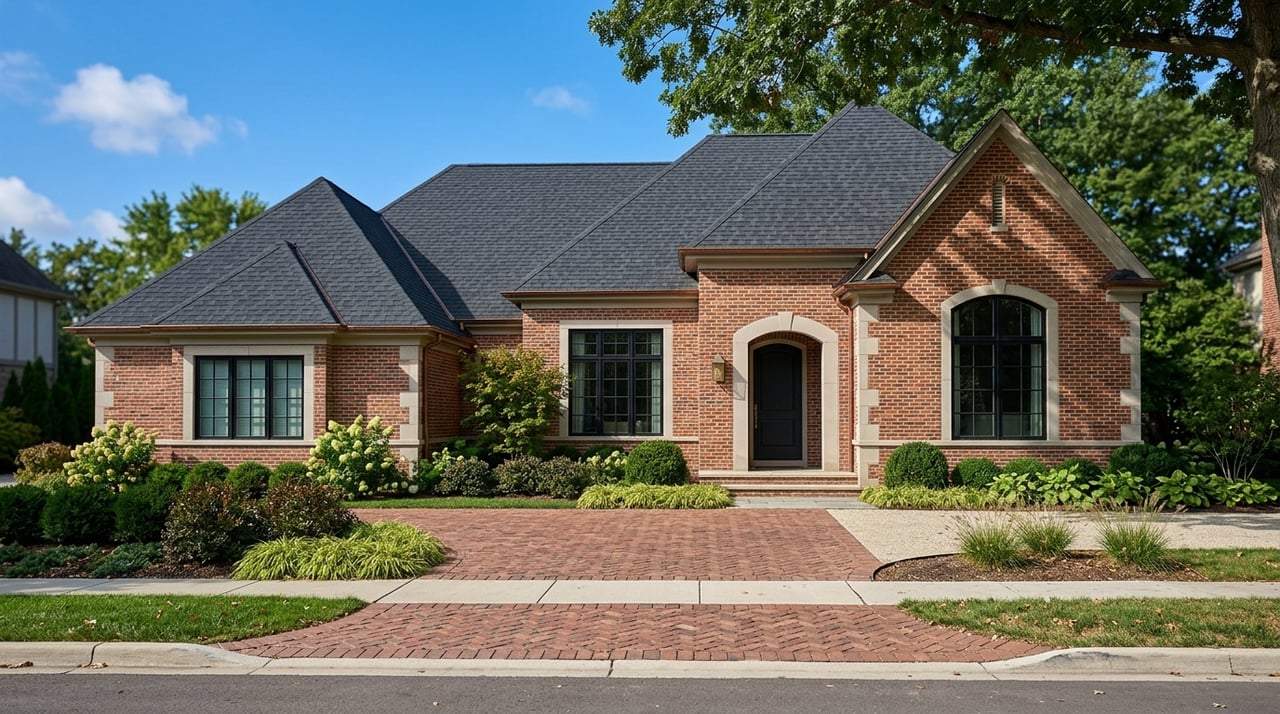
First impressions begin at the drive. Mature landscaping is a Lake Forest asset when it is tidy and intentional.
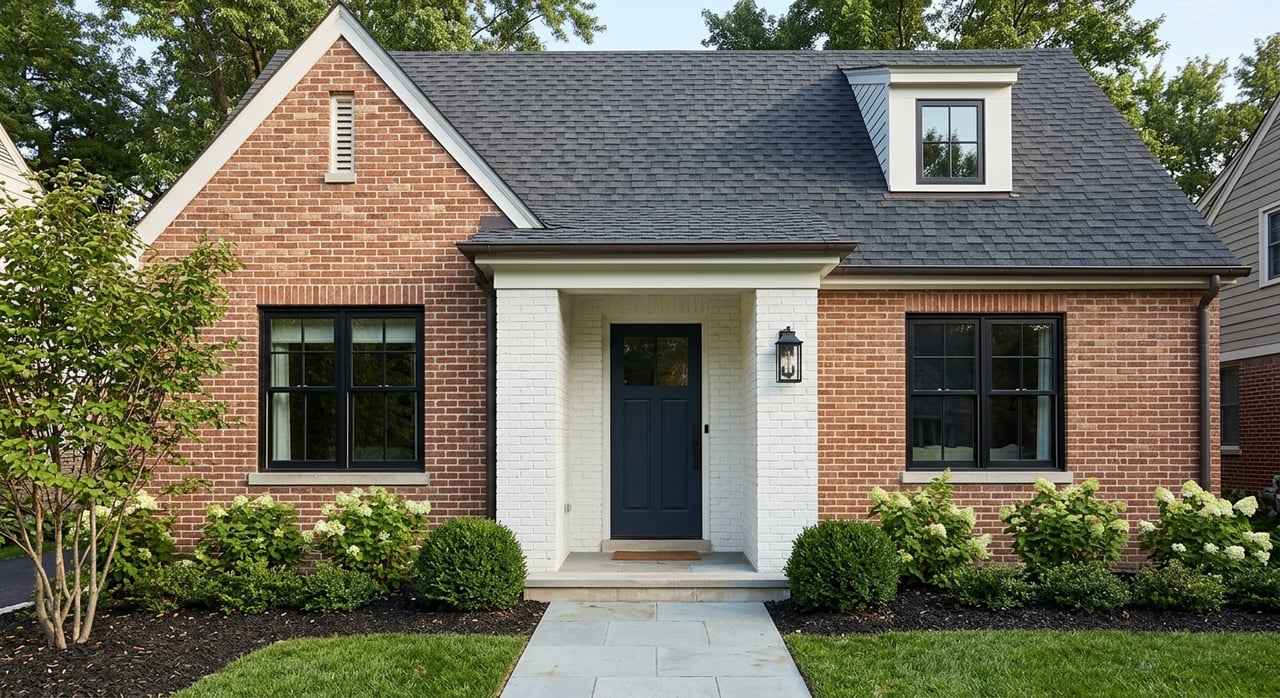
- Entry refresh: clean the front door, update or polish hardware, and make sure address numbers are visible. Add fresh mulch and trim hedges.
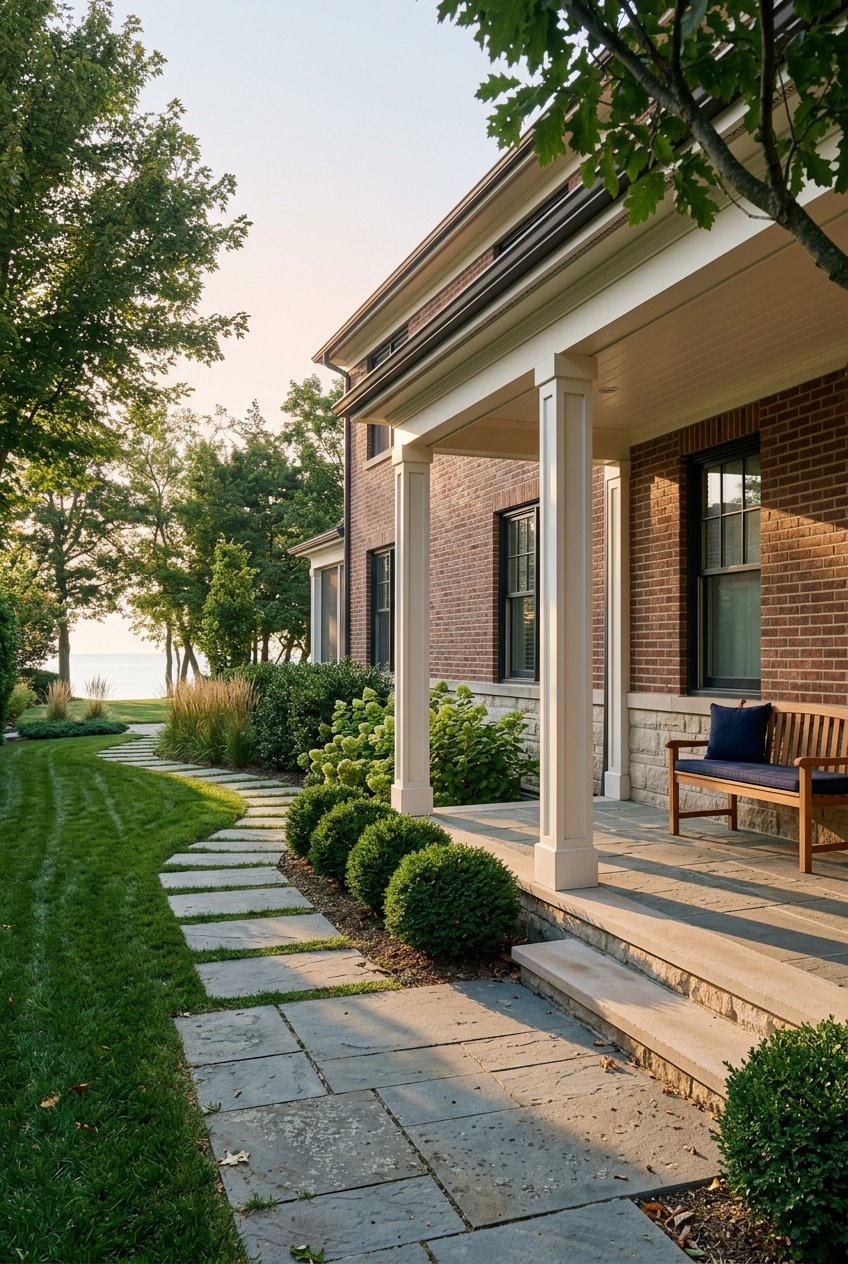
- Porch cues: stage seating, add potted evergreens or seasonal plantings, and set a neat doormat.
- Repairs and cleaning: power wash hardscape, clean windows, and clear gutters. Fix cracked walkways.
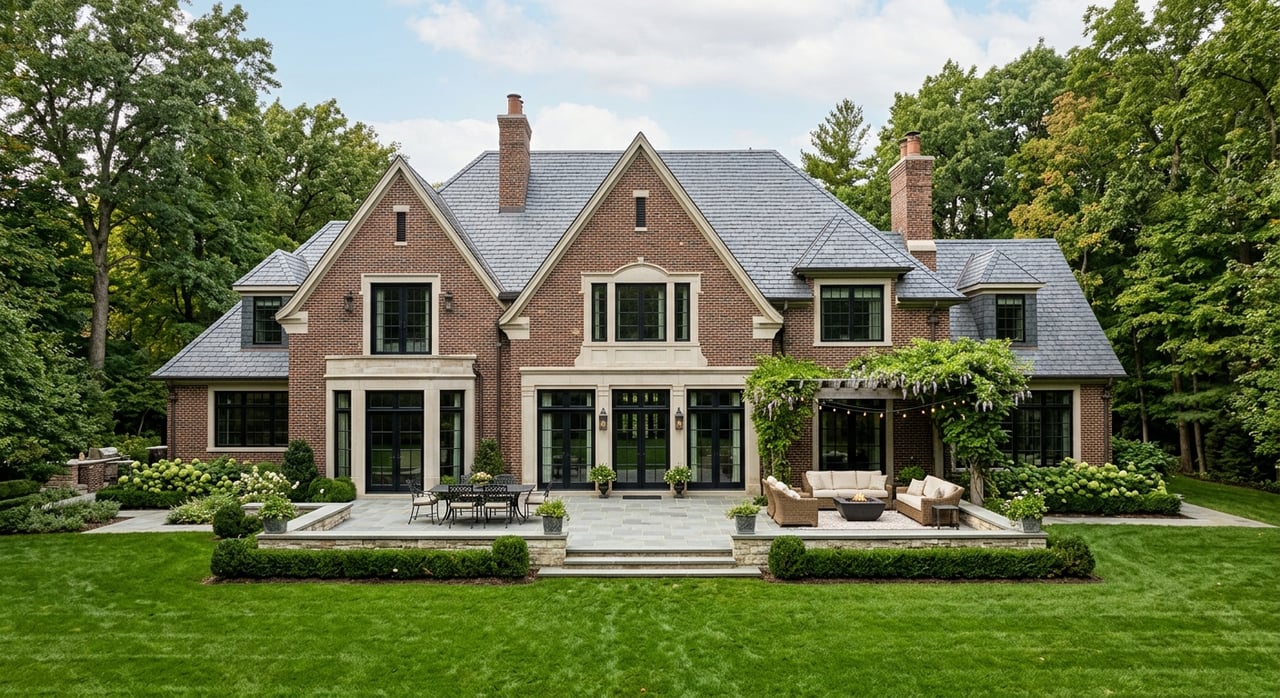
- Outdoor rooms: arrange coordinated furniture on patios and terraces, add outdoor rugs and soft lighting, and frame views to woods or water.
- Winter care: use salt-safe treatments and keep walkways cleared for showings.
Room-by-room priorities
Focus your budget where buyers focus their attention. For most Lake Forest homes, these rooms shape perception and price.
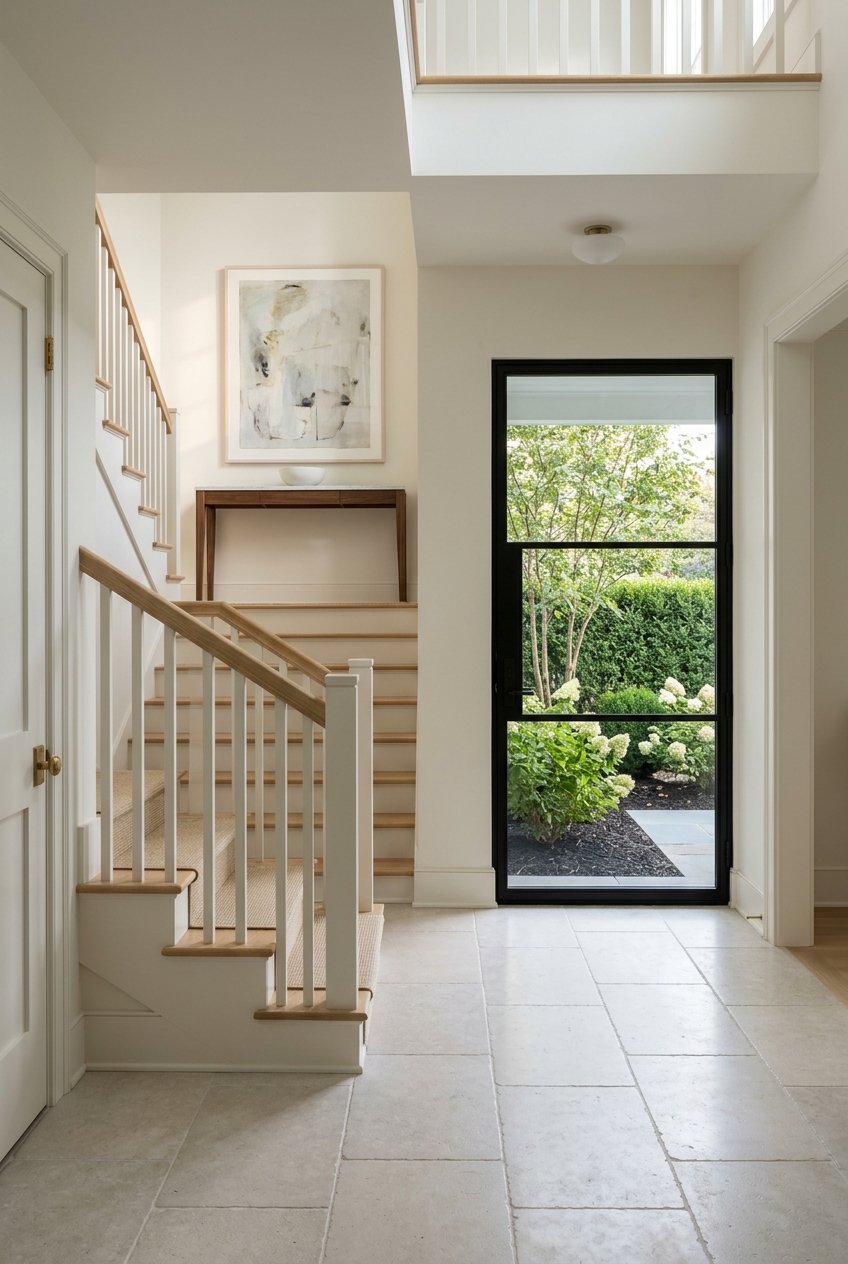
- Entry and foyer: create a welcoming, scaled moment with a table, art or mirror, and layered light.
- Living and family rooms: show a comfortable gathering space with proportionate seating and a well-anchored rug.
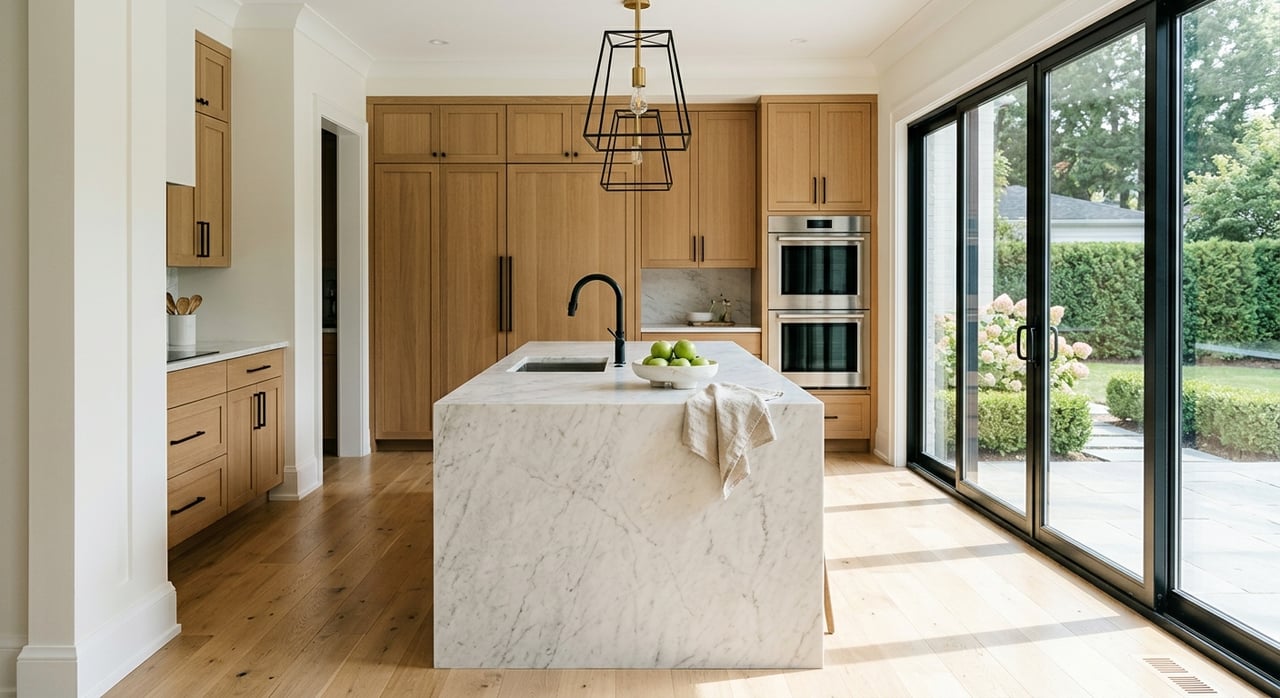
- Kitchen: brighten task areas, declutter surfaces, and add a few quality, neutral accessories.
- Dining room: set a clean, simple table scene and use a fixture that suits the room’s scale.
- Primary bedroom: lean tranquil and hotel-level tidy with layered textiles and balanced bedside lighting.
Stage secondary rooms selectively: a crisp home office, lightly styled secondary bedrooms, and any finished lower level. For estates, also stage outdoor living, guest suites, and notable amenities like a gym or theater.
Occupied vs. vacant strategies
- Occupied homes: edit furniture, depersonalize, and neutralize strong color schemes. Clean and repair before styling.
- Vacant homes: use professional staging or high-quality virtual staging. If you opt for virtual, disclose clearly and be sure photos reflect realistic layouts and scale.
Photography and virtual tours
Professional photos taken in the best available light are essential. Capture the front and rear exteriors, key interiors, and outdoor rooms. Twilight photos can highlight exterior lighting on estates. 3D tours and floor plans help remote and out-of-town buyers understand flow and scale.
Budget, timing, and local compliance
Staging scope varies by property value and goals. For higher-end Lake Forest homes, full staging of main-floor rooms and outdoor living often makes sense. For smaller single-family homes, focus on the core rooms.
- Timeline: plan 2–6 weeks pre-listing for decluttering, repairs, staging, and photography. Extend for landscape or larger projects.
- Vendors: line up painters, cleaners, landscapers, stagers, and photographers with experience in luxury and historic homes.
- Local rules: before exterior changes or signage, confirm permit needs or HOA approvals with the City of Lake Forest or your association. If you use virtual staging, follow MLS disclosure guidelines.
Industry guidance indicates that well-staged homes show better online, help buyers visualize living in the space, and typically sell faster or at stronger prices than unstaged homes. For Lake Forest, strategic staging is a practical way to support pricing power because it signals quality and lifestyle to a discerning audience.
Quick staging checklist
Use this list to prep your stager brief and timeline.
- Repairs: fix peeling paint, broken hardware, and cracked windows.
- Deep clean and edit: remove excess furniture, depersonalize, and tidy closets.
- Paint: refresh walls in warm neutrals and touch up trim.
- Floors: deep clean carpet; refinish or repair hardwoods; size rugs to the room.
- Lighting: match bulb color temperature, add lamps, and install dimmers where helpful.
- Art and accessories: scale art to walls, group thoughtfully, and remove overly personal items.
- Exterior: power wash, mulch beds, prune trees, clean or paint the front door, and stage the porch.
- Photos: schedule professional photography and, if appropriate, twilight shots after staging.
Ready to curate a design-first plan that meets Lake Forest buyers where they are? The Kim & Carleigh Team pairs deep local authority with interior design expertise to craft a presentation that moves buyers and protects value. If you want a hands-on, boutique approach that gets results, reach out to the Kim & Carleigh Team to schedule a design-forward consultation.
FAQs
What staging colors work best for Lake Forest listings?
- Warm neutrals like soft white, warm greige, and light taupe for main surfaces, with restrained accents in navy, charcoal, hunter green, or deep teal.
How should I light a large Lake Forest living room for sale?
- Layer ambient, task, and accent lighting; keep bulbs consistent at 2700K–3000K, add dimmers, and ensure glare-free brightness throughout the space.
What size art should I hang above a sofa when selling?
- Choose art that spans about 60–75% of the wall width above the sofa, centered at roughly 57–60 inches from the floor.
How do I stage outdoor spaces during a Lake Forest winter?
- Keep walkways cleared and safe, add subtle entry and path lighting, use evergreen planters, and create a tidy, inviting porch seating moment.
How far in advance should I start staging before listing in Lake Forest?
- Plan 2–6 weeks for decluttering, repairs, staging, and photography; extend the timeline for landscaping or larger projects.
Is virtual staging a good idea for a vacant Lake Forest home?
- Yes, when used realistically and disclosed per MLS rules; ensure photos reflect accurate furniture scale and practical room layouts.