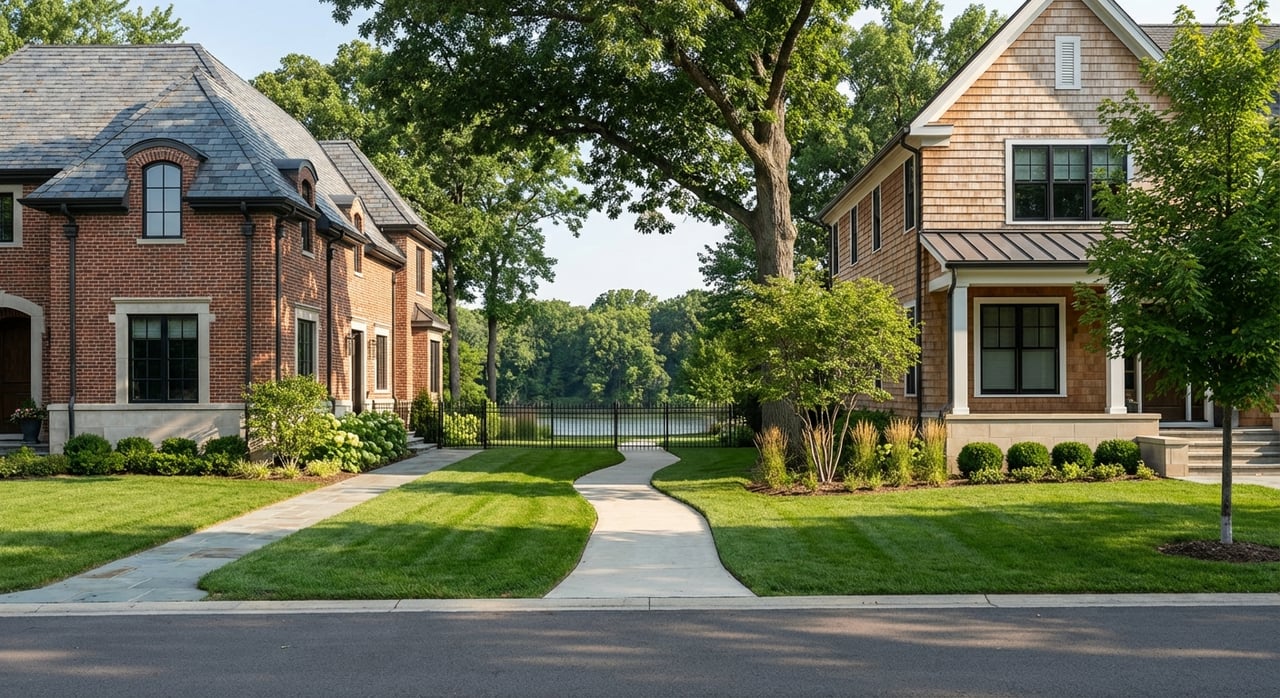
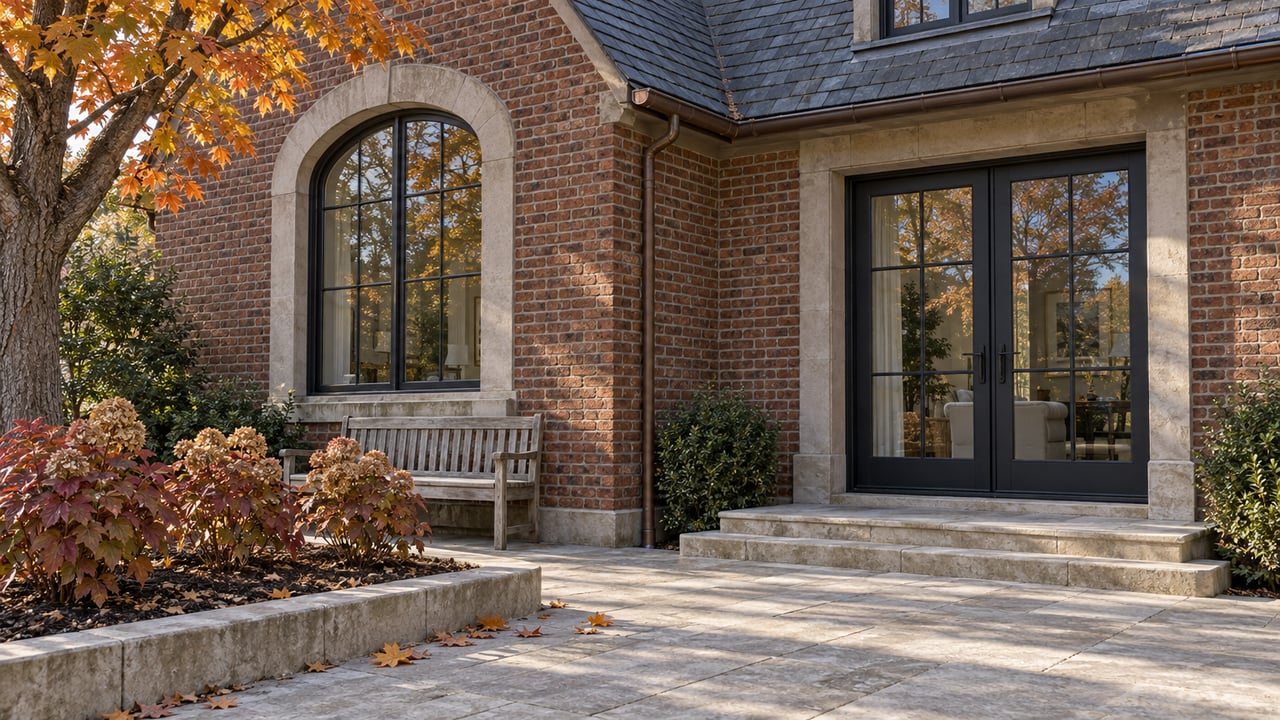
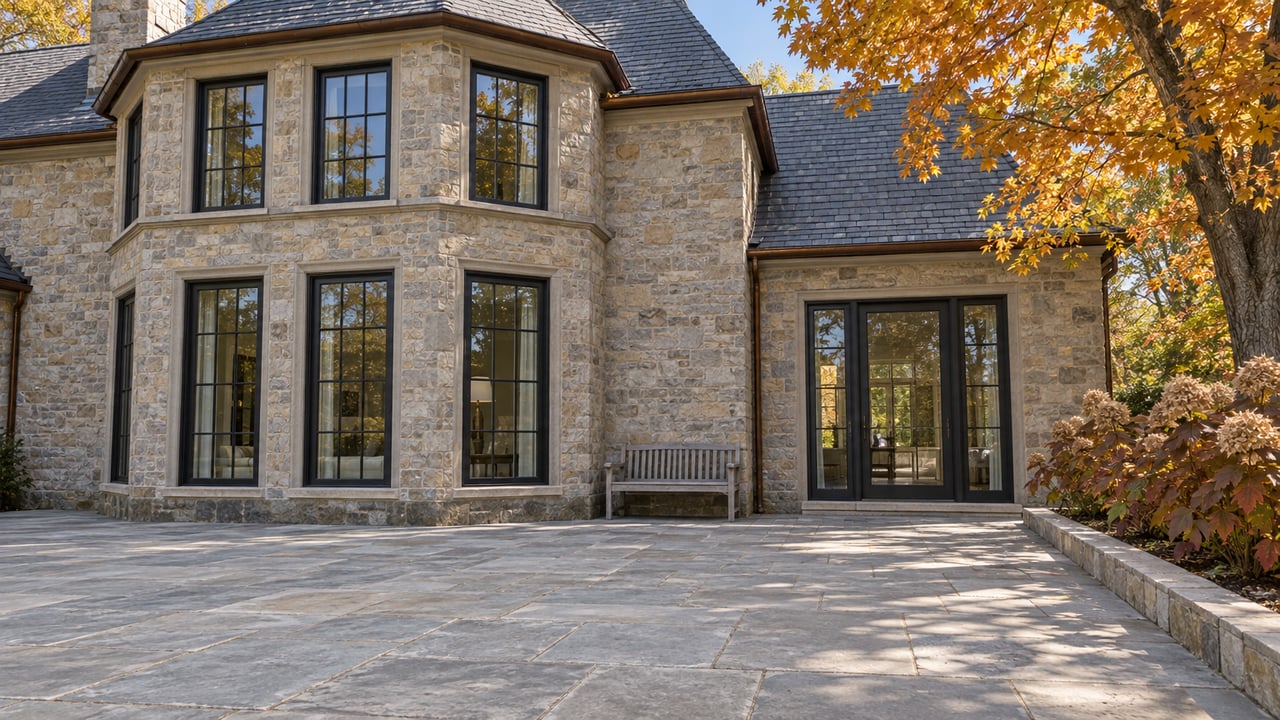
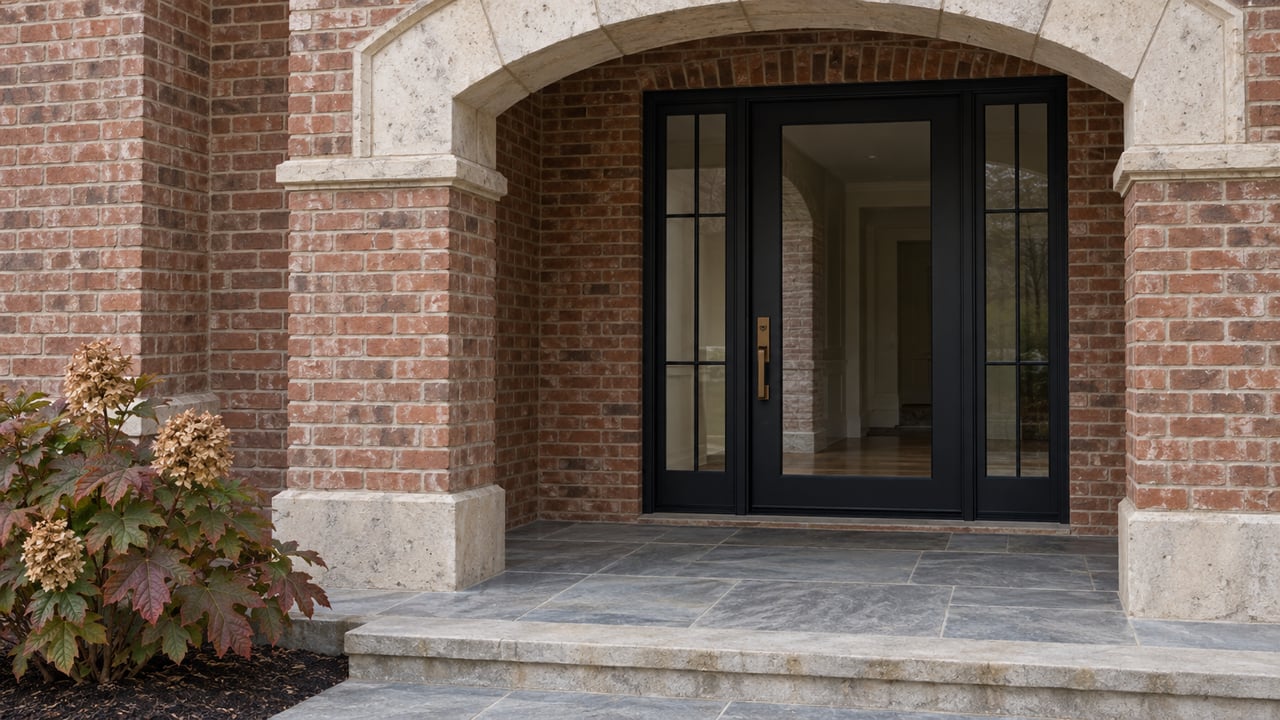
Torn between Lake Forest and Lake Bluff? You are not alone. Both North Shore communities offer lake breezes, tree-lined streets, and a refined lifestyle, but the day-to-day feel and housing choices can differ in ways that matter. In this guide, you will get a clear, side-by-side look at homes, schools, commute, taxes, and neighborhood character so you can choose with confidence. Let’s dive in.
Quick feel for each town
Lake Forest feels larger and estate-forward, with a planned historic center anchored by Market Square and an emphasis on preserved open land. The city counted about 19,367 residents in the 2020 Census, and it offers two Metra lines for added commuter flexibility. Its core mixes historic architecture with boutique retail and dining.
Lake Bluff reads as a smaller, village-scale lakefront community with a compact uptown, seasonal events, and easy beach access. The village had roughly 5,616 residents in 2020. You get a simple, walkable core and a relaxed shoreline vibe.
Home prices and property types
Both towns skew toward higher price bands for the North Shore, with limited entry-level options.
- As of January 2026, Redfin reported a median sale price near 1.5 million dollars in Lake Forest and about 1.075 million dollars in Lake Bluff. Zillow’s home-value index showed Lake Forest closer to 1.15 million dollars in July 2025. Methodologies differ, so always check the snapshot date and metric used.
- Entry points exist but are limited. You may see occasional condos or smaller homes below 700,000 dollars, often older or needing work.
- A typical 3 to 4 bedroom single-family home often falls in the 900,000 to 1.5 million dollar range, shaped by lot size, age, updates, and proximity to the lake or downtown.
- Luxury and estate properties are common, especially in Lake Forest, and can start around 2 million dollars and extend well higher for trophy lakefront or architecturally significant homes.
Always verify the latest market numbers before you write an offer. North Shore pricing can shift month to month with inventory and high-end demand.
Micro-neighborhood snapshots in Lake Forest
- Market Square / Downtown. Historic retail core designed by Howard Van Doren Shaw, steps from the Lake Forest Metra UP-N station. Ideal if you want walkability with classic character. Learn more about Market Square’s history.
- Deerpath and Deerpath Hill Estates. Architect-led streetscapes featuring Tudor and Colonial Revival details and larger lots. A fit for buyers who love period architecture and neighborhood provenance. Explore research resources via the Lake Forest–Lake Bluff History Center.
- Conway Farms. A golf-course community in southwest Lake Forest with newer single-family homes and townhomes. Think HOA-managed amenities, a club lifestyle, and lower-maintenance yards compared with large estates.
- Forest Park / Beach-adjacent. East-of-Sheridan pockets near Forest Park Beach. If lake access is your north star, review resident sticker rules and amenities through Forest Park Beach.
Schools and learning options
Both communities share Lake Forest Community High School (District 115). Lake Forest’s K–8 students typically attend District 67, and Lake Bluff’s K–8 students attend District 65 before joining at the high school. The districts report strong results on recent Illinois State Board of Education report cards. Review the official district overview for Districts 67 and 115, and the Lake Bluff District 65 site for K–8 details.
Private-school choices are another deciding factor for many families. In Lake Forest, Lake Forest Academy is a regionally known college-preparatory day and boarding school. You will also find independent K–8 options and Montessori programs in the area. In Lake Bluff, families often explore Montessori alternatives as well.
Tip: Since both towns feed the same high school, your K–8 preference and private-school priorities often guide the final choice.
Commute and transit
You will have Metra access in both towns. Lake Forest has two stations: one on the Union Pacific North Line in the downtown core and another on the Milwaukee District North Line farther west. Lake Bluff is served by the Union Pacific North Line at the village station.
- Station references: Lake Forest UP-N station and the Lake Bluff station.
- Distances to downtown Chicago are around 28 to 30 miles. Real-world commute times vary with express vs. local schedules, station parking, and first-mile or last-mile logistics.
- Average travel-to-work times in Census data are about 31.3 minutes for Lake Forest and roughly 28 to 28.5 minutes for Lake Bluff. See the U.S. Census QuickFacts for the latest averages for Lake Forest and Lake Bluff.
Taxes and total carrying costs
Property taxes are a meaningful part of your budget in Lake County. Local analyses estimate effective rates in Lake Forest often near 1.8 to 1.9 percent, though bills vary by parcel, exemptions, and assessment cycle. You can review local tax trends via Ownwell’s Lake Forest summary.
- Sample math: On a 1.2 million dollar purchase, a 1.8 percent effective rate implies about 21,600 dollars per year before exemptions.
- Other recurring costs to factor in: HOA or condo dues when applicable, resident amenities such as beach permits at Forest Park Beach, and private-club dues if you plan to join a golf or beach club.
Which town fits your priorities?
Choose Lake Forest if you want:
- A broader housing spectrum that includes large-lot estates and architecturally significant homes.
- A planned historic downtown and a refined retail core anchored by Market Square.
- Two Metra lines for flexible commuter routing.
- Proximity to private schools like Lake Forest Academy and an array of independent K–8 options.
Choose Lake Bluff if you want:
- A compact, walkable uptown with a village-green feel and a steady calendar of local events.
- Straightforward access to Sunrise Beach and lakefront paths.
- A smaller-community scale with a single Union Pacific North Line station.
- A housing mix that spans renovated vintage homes and higher-end new builds, often at price points under Lake Forest’s top tier.
How we help you choose smart
Your choice is about more than a list price. It is the lifestyle you want, the commute you will keep, and the design details that make a home feel right. As a boutique, design-first team based in Lake Forest, we help you compare homes across both towns with:
- Curated home tours that align with your goals, from beach access to historic character.
- Pricing context tied to live comps and carrying costs, including sample tax bills.
- Design-forward advice on layout, color, and staging so you can visualize potential or go turnkey.
- Hands-on, high-touch service backed by a premier luxury brokerage network.
Ready to compare properties or map a move? Connect with the Kim & Carleigh Team to schedule a design-forward consultation.
FAQs
How do Lake Forest and Lake Bluff home prices compare in 2026?
- As of January 2026, Redfin reported a median sale price near 1.5 million dollars in Lake Forest and about 1.075 million dollars in Lake Bluff. Zillow’s index for Lake Forest showed about 1.15 million dollars in July 2025. Methods differ, so use the most current data when you are ready to buy or sell.
Do Lake Forest and Lake Bluff share a high school?
- Yes. Both feed Lake Forest Community High School (District 115). Lake Forest students typically attend District 67 for K–8, and Lake Bluff students attend District 65 before joining at LFHS. Review the Districts 67 and 115 overview for details.
What Metra options serve Lake Forest and Lake Bluff commuters?
- Lake Forest has two lines, the UP-N and MD-N, which adds flexibility for schedules and destinations. Lake Bluff has a UP-N station in the village. Check the Lake Forest UP-N station and the Lake Bluff station pages for general context, then confirm current timetables.
How much should I budget for property taxes on a 1.2 million dollar home?
- Using an estimated 1.8 percent effective rate implies about 21,600 dollars per year before exemptions, but actual bills vary by parcel and assessment. See Ownwell’s Lake Forest tax trends for context and verify a property’s bill before making an offer.
Where is public beach access in each town?
- In Lake Forest, start with Forest Park Beach for resident permits and amenities. In Lake Bluff, Sunrise Beach offers seasonal access with posted rules and hours via local channels.