Thinking about timing your Lake Forest move but not sure when the market is most active? You are not alone. The calendar influences listing activity, buyer demand, and days on market, and getting the season right can boost your results. In this guide, you will see how seasonality plays out in Lake Forest, what to expect by month, and how to plan a smooth spring launch. Let’s dive in.
Seasonality at a glance
Lake Forest follows a familiar North Shore rhythm with a strong spring market and a steady early fall. Here is the big picture.
- Winter (Dec–Feb). The quietest period for new listings and showings. Inventory is lean, and the buyers who remain tend to be motivated. Sellers face less competition but should price with care.
- Early spring (Mar–Apr). Listings pick up and buyers ramp up. This is when curb appeal returns and households plan moves for summer.
- Peak spring (Apr–Jun). The highest volume of new listings, tours, and sales. Days on market often shorten, and well-priced homes can see multiple offers.
- Summer (Jul–Aug). Still active, though showings can ebb in late August. Vacation schedules and weather can affect traffic.
- Early fall (Sep–Oct). A smaller but healthy second wave. Buyers who missed spring or want less competition get moving.
- Late fall and holidays (Nov). Activity tapers as buyers focus on travel and events. Motivated buyers and sellers still find opportunities.
- Late winter lead-up (Feb). The market begins to warm as buyers prepare for spring.
What is different in Lake Forest
Local patterns shape the calendar. Lake Forest’s household mix, commute access, and higher price points all influence when buyers and sellers act.
- School calendar and household timing. Moves often cluster in late spring and early summer so households can settle before the next academic year.
- Commute and employment cycles. Access to Metra and regional job hubs can create spring and early fall spikes tied to transfers and new roles.
- Price segments and luxury pace. Unique or higher-end properties can have longer marketing periods. Many sellers choose spring or early fall for optimal presentation and events.
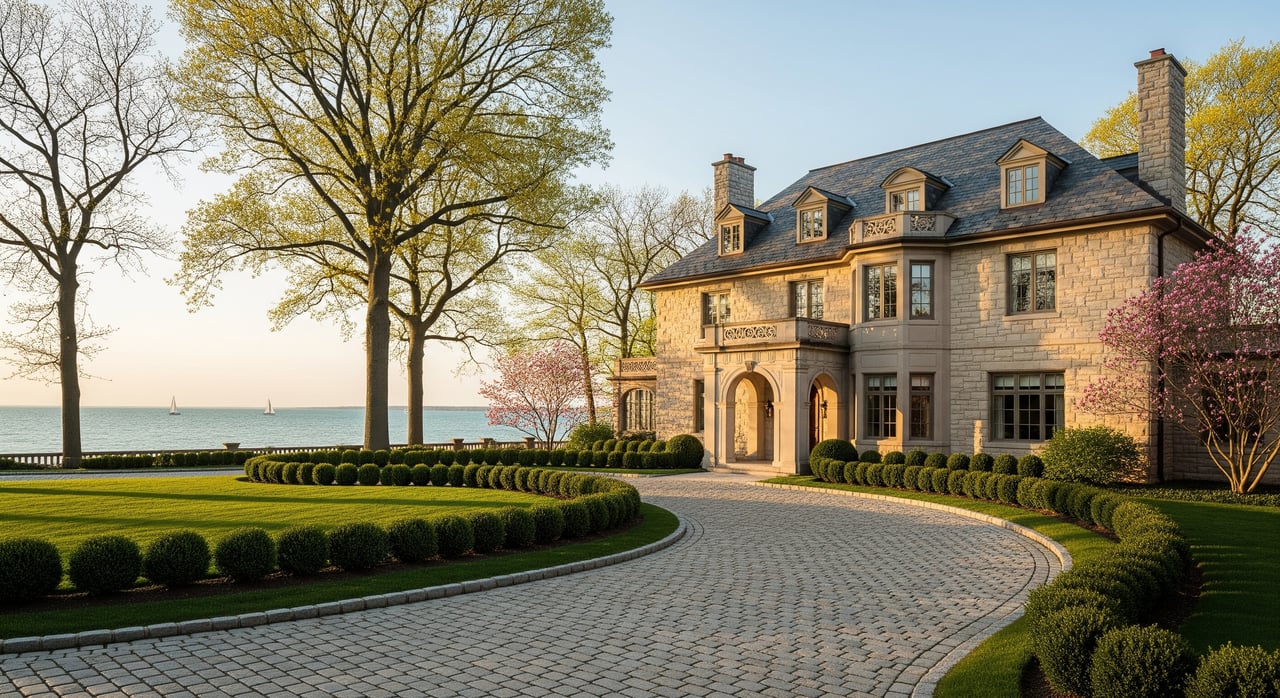
- Lakefront appeal. Properties near Lake Michigan often show best in late spring and summer when outdoor spaces and water access are on display.
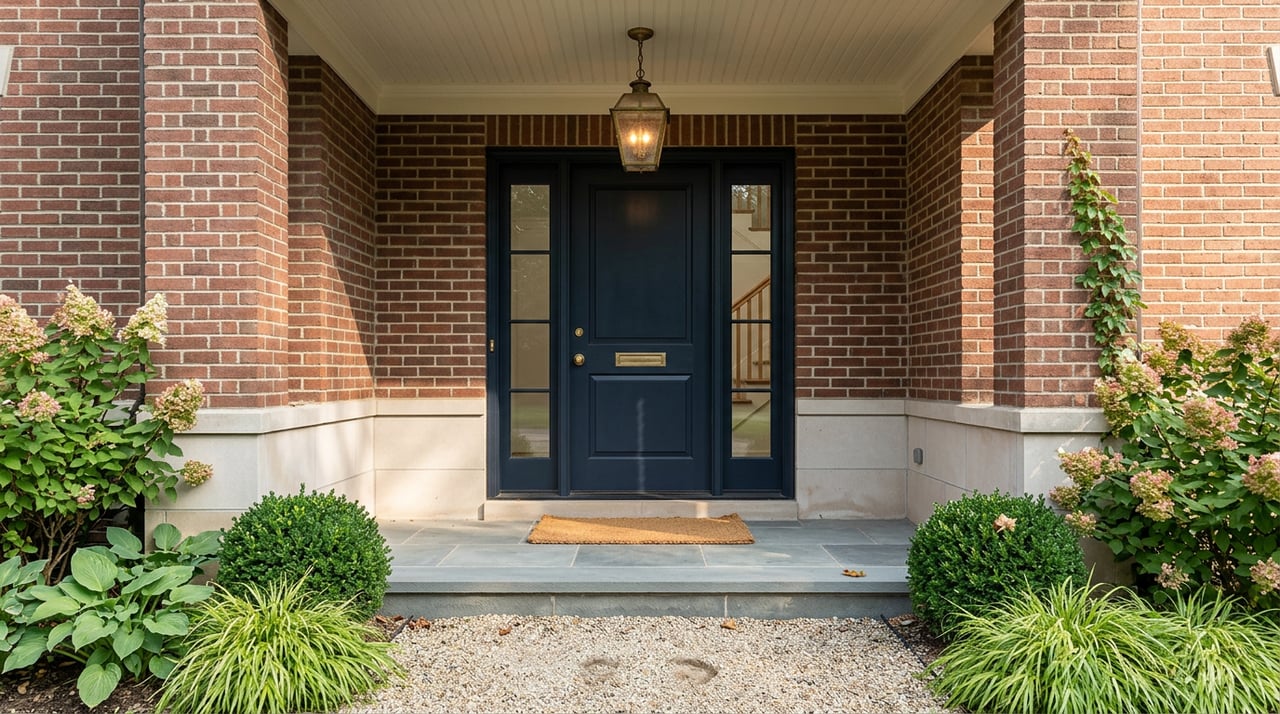
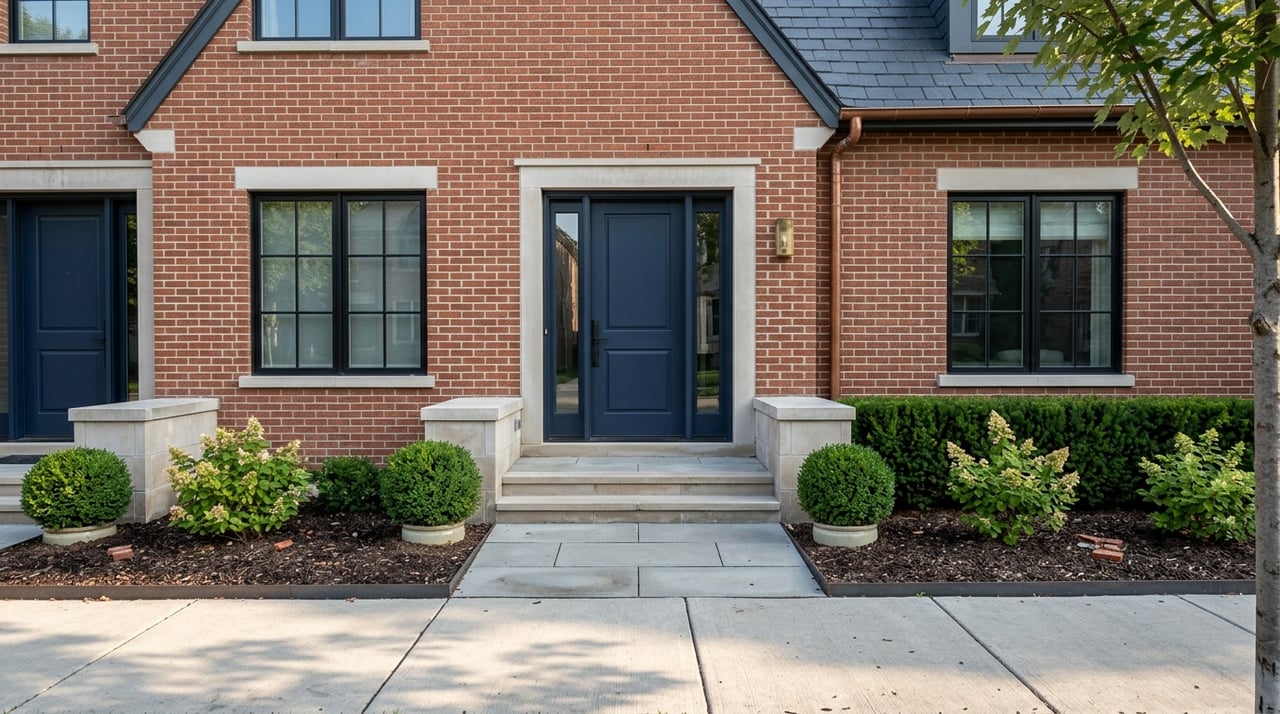
- Weather and curb appeal. Harsh winters can hinder showings and exterior photography. Spring landscaping and light elevate perceived value.
- New construction timing. Builder completions often target summer and fall, which can influence resale inventory and buyer choice.
How the numbers behave
While exact figures vary by month and price band, Lake Forest typically follows these directional trends.
New listings
- Peak from March through June, with a smaller bump in September.
- Lowest from December through February.
Buyer demand
- Strongest from April through June, especially for well-prepared, well-priced homes.
- Softer in late summer and winter. Winter buyers tend to be more serious.
Days on market
- Shortest during peak spring.
- Longest in winter. Luxury and one-of-a-kind homes may show less seasonal change.
Pricing and leverage
- Spring listings often achieve stronger sale-to-list performance.
- Off-peak windows require realistic pricing or incentives, and buyers may gain negotiating room.
Inventory and choice
- Spring brings more options, yet demand rises too. Leverage varies by price band and neighborhood.
- Late winter tightness can benefit sellers who prepare well.
Your spring seller playbook
If you are targeting April or May, work backward to create space for thoughtful staging and strategic marketing.
8–12 weeks out
- Meet with your agent to evaluate the home and set strategy.
- Tackle major repairs or updates that require lead time.
- Map your pricing approach by segment and recent activity.
4–6 weeks out
- Complete cosmetic refreshes: paint, flooring touch-ups, lighting, hardware.
- Stage rooms for scale, light, and flow.
- Refresh landscaping for clean lines and early curb appeal.
- Confirm any pre-inspections or permits if needed.
2 weeks out
- Schedule professional photography, floor plans, and virtual tours.
- Assemble your marketing assets and finalize copy.
- Optional soft pre-launch if allowed by local rules.
Launch week
- Aim to list early in the week, Tuesday through Thursday, to maximize buyer traffic.
- Set clear showing windows and open house plans.
- Prepare to respond quickly to early interest.
Pro tip: Presentation is a lever you control. Thoughtful staging, color consultation, and layout advice help your home stand out in the April–June surge.
Buyer and move-up strategy
If you are buying in spring, preparation matters as much as speed.
2–3 months before
- Secure pre-approval and discuss trade-up financing options with your lender.
- Define must-haves, nice-to-haves, and target micro-areas in Lake Forest.
- Align on timing and closing flexibility.
During your spring search
- Have a complete offer package ready.
- Move quickly on showings and consider backup offers if you narrowly miss.
- Keep inspection and appraisal timelines tight but realistic.
Coordinating sell and buy
- Consider a sale contingency if you need to close first, noting it can be weaker in competitive segments.
- Explore rent-back or leaseback agreements to bridge possession.
- Discuss bridge financing or a home equity line for down payment flexibility.
Pricing by season
- Spring. Price to compete within your band and invite activity. Avoid overshooting the market.
- Summer and early fall. Maintain strong presentation. Momentum can be steady, especially for households aiming to settle before fall routines.
- Winter. Price for lower showing volume and consider flexibility on credits or timing.
Lakefront and luxury timing
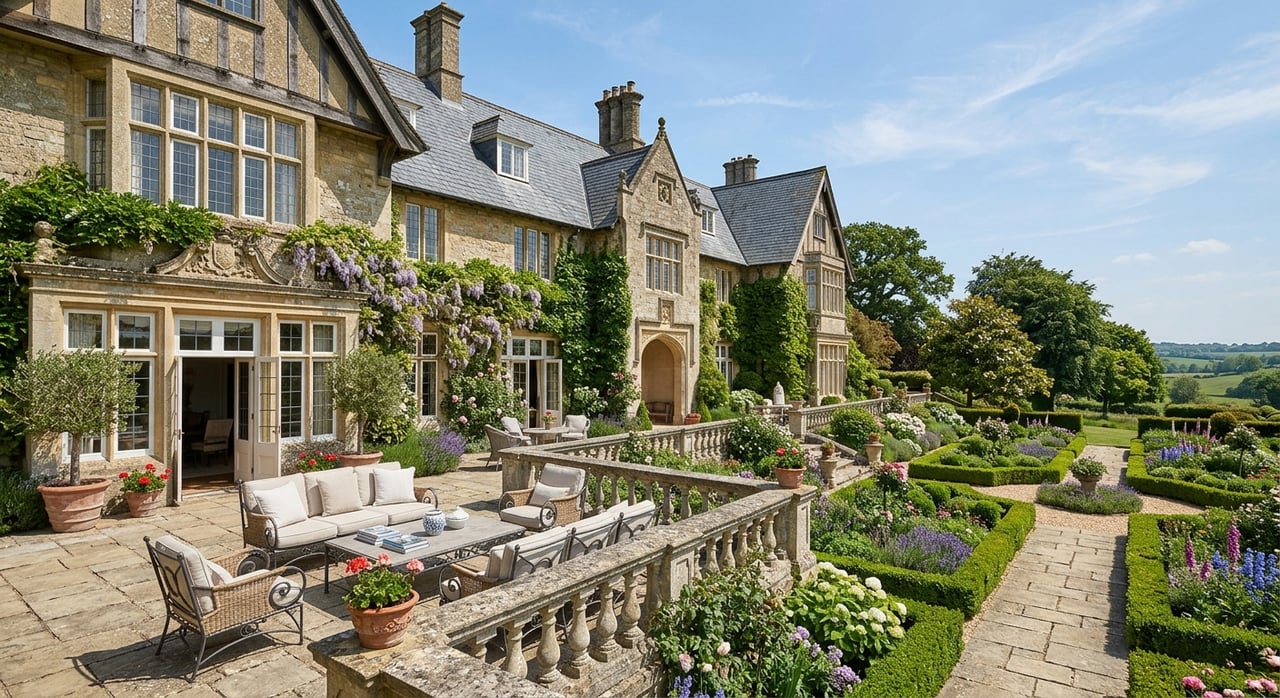
High-end and lake-adjacent properties often benefit from spring or early fall presentations when light, landscaping, and outdoor living areas show best. Because luxury buyers can be more deliberate, allow for a longer runway and emphasize crafted presentation, lifestyle photography, and targeted events. The right season can showcase neighborhood provenance and unique features with greater impact.
If you need to sell in winter
You can still win in winter with a clear plan.
Pros
- Less competition and more motivated buyers.
- Tighter inventory can boost visibility.
Considerations
- Showings may be fewer and days on market longer.
- Elevate interior staging, lighting, and snow maintenance to protect curb appeal.
Key data to watch
Ask your agent for monthly, Lake Forest–specific reports so you can compare this year’s seasonality with prior years. Focus on:
- New listings and pending sales by month.
- Median sale price and average sale price.
- Active inventory and months of supply.
- Average and median days on market.
- List-to-sale price ratio and percent of original list price received.
- Breakouts by price segment, including the $1M+ market.
Avoid common mistakes
- Waiting too long to prepare. Spring comes fast. Start eight to twelve weeks ahead.
- Overpricing to “leave room.” In peak months, pricing just above the market can hide your home from the right buyers.
- Skipping curb appeal. Early landscaping, window cleaning, and porch polish matter as soon as the snow melts.
- Launching on a quiet schedule. A disciplined list date and showing plan help concentrate demand.
Plan your list date with a team that designs to sell
Seasonality will set the rhythm. Presentation and strategy set the outcome. If you want a curated approach that pairs local market expertise with design-forward preparation, let’s talk about your timeline, pricing, and a crafted plan for spring. Schedule a design-forward consultation with the Kim & Carleigh Team.
FAQs
What is the best month to list in Lake Forest?
- There is no single best month for every home, but March through May typically brings the broadest buyer demand, with April through June especially active for households planning summer moves.
What should I expect if I sell in winter in Lake Forest?
- Expect fewer showings and potentially longer market times, but buyers are often more motivated; focus on strong interior staging, lighting, and exterior maintenance.
How can move-up buyers time a sale and purchase in the Lake Forest spring market?
- Secure pre-approval early, price your current home to compete, and use tools like rent-backs or a sale contingency while keeping your offer package ready for new listings.
Has remote work changed Lake Forest’s seasonality?
- Remote work has added flexibility for some buyers, which can smooth seasonality in certain segments, but commuter-driven patterns still support traditional spring strength.
Is September a good time to list in Lake Forest?
- Yes, early fall often brings a smaller second wave of buyers who missed spring or want less competition, and well-prepared listings can still achieve solid pricing and pace.