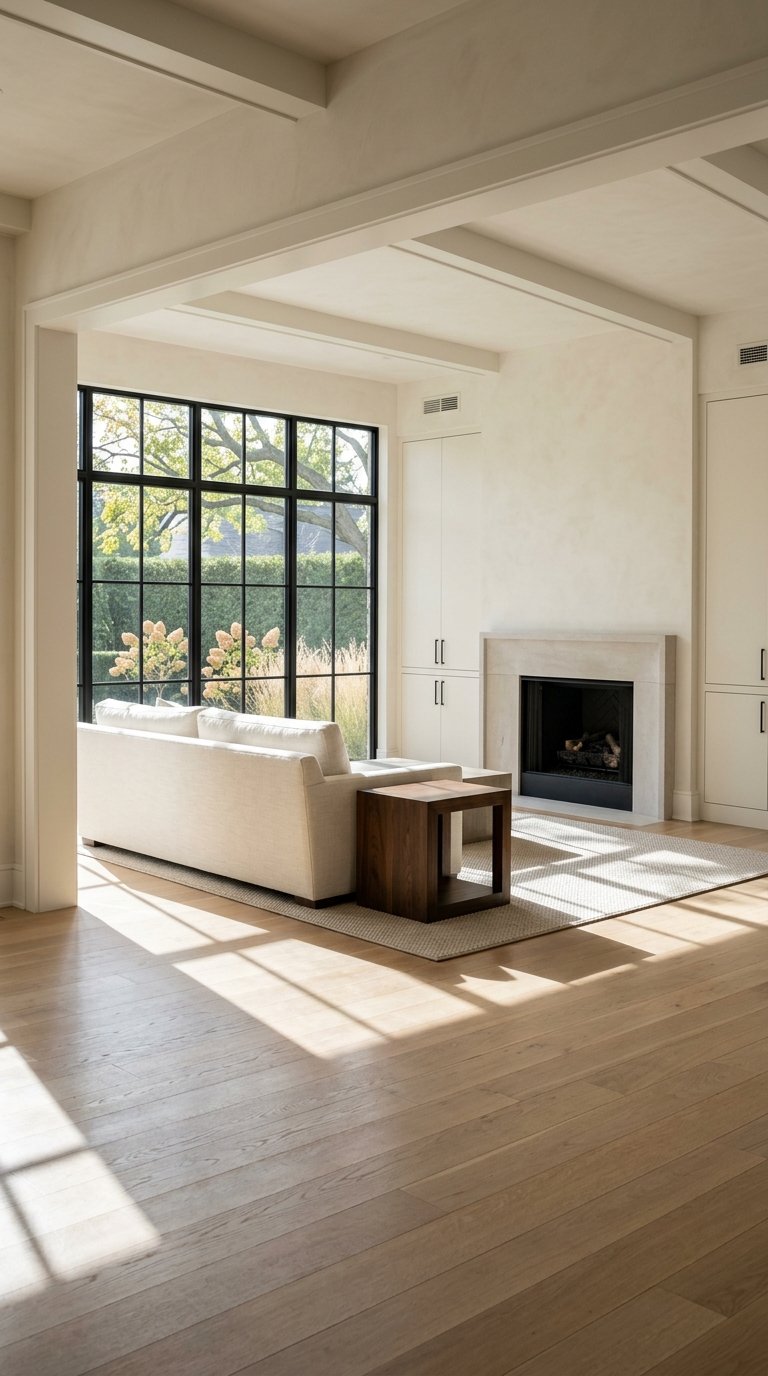
Relocating to Lake Forest from Chicago or the Suburbs
April 2, 2026
April 2, 2026
Thinking about trading your Chicago commute or suburban routine for Lake Forest? You are not alone, and the move can feel exciting and complicated at the same time. From choosing the right part of town to planning your commute, school search, and timing, there is a lot to sort through. This guide will help you understand how Lake Forest works so you can relocate with more clarity and less guesswork. Let’s dive in.
Lake Forest is not one uniform market. It is better understood as a collection of smaller micro-markets, each with a different feel, housing mix, and level of convenience.
According to the City of Lake Forest’s planning updates, the city includes a historic central business district around Market Square and Western Avenue, a west-side business district near Waukegan Road and Settlers’ Square, and a growing core area with housing close to the train station. That matters if you are relocating, because your daily experience can change a lot depending on where you land.
If you want the most walkable version of Lake Forest, start here. The city identifies Market Square as the heart of the central business district, with the commuter station, restaurants, retail, City Hall, the Post Office, and other daily conveniences nearby.
The city also reports recent core-area development that added 110 apartments, 37 condominiums, and eight single-family homes within walking distance of the train station, parks, the library, and gathering spaces. If you are coming from Chicago and want easier access to coffee, errands, and rail service, this area may feel like the smoothest transition.
West Lake Forest tends to offer a different rhythm. The city describes much of this side of town as developed in the mid-to-late 1990s, with single-family homes, tree-lined streets, yards, and open space.
This side also includes neighborhoods such as Conway Farms and a west-side business district with grocery stores, restaurants, banks, medical and dental providers, and other practical services, based on City Council materials. If you are moving from another suburb and want a more familiar suburban layout, west Lake Forest may be worth a close look.
East Lake Forest can feel more estate-like and more connected to the lake. Housing in this part of town often looks different from the west side, with larger lots and a more private setting in some pockets.
That does not mean every home here is the same, but it does show why broad citywide searches can miss the mark. If access to Lake Michigan or a larger-lot setting is high on your list, this side deserves focused attention.
One of the biggest relocation mistakes is searching Lake Forest by ZIP code alone. Inventory is highly localized, and active homes can cluster in smaller areas such as Conway Farms, Whispering Oaks, Whitehall Meadows, Park Lane, Ridge Acres, and Westleigh, according to Realtor.com’s local market page.
In practical terms, that means the right home for you may not appear if your search is too broad or too rigid. A thoughtful strategy usually starts with your priorities, then narrows to the micro-markets that best match your commute, preferred home style, and day-to-day routine.
For many buyers, the move to Lake Forest works only if the commute still feels manageable. The good news is that the city is served by two Metra stations, which gives you more flexibility than some nearby suburbs.
According to Metra station information, the downtown Lake Forest station on the Union Pacific North line is located at 691 N. Western Ave. and has 788 parking spaces. West Lake Forest, on the Milwaukee District North line at 911 Telegraph Rd., has 517 parking spaces. Both stations are in fare zone 4.
That setup can be especially helpful if you are relocating from Chicago and still need regular downtown access. It can also help suburban movers who commute in multiple directions and want options on either the east-central or west side of town.
If you drive often, west-side access may carry more weight in your home search. The city identifies Waukegan Road as a major north-south arterial and points to the Route 60 and Illinois Tollway area as a western gateway.
That means your ideal location may depend less on the city center and more on how quickly you want to reach major roads. For many relocation buyers, the best fit comes down to an honest look at how you actually travel each week.
If schools are part of your decision, address-level research matters. Lake Forest Elementary School District 67 serves grades K-8 and includes Cherokee Elementary School, Everett Elementary School, Sheridan Elementary School, and Deer Path Middle School, according to the district overview.
The district’s boundary map shows that all District 67 students attend Deer Path Middle School for grades 5 through 8, while elementary placement depends on the property address. If you are comparing homes on different blocks, this is something to verify before you write an offer.
For high school, Lake Forest Community High School District 115 serves Lake Forest, Lake Bluff, and Knollwood. The district reports enrollment of about 1,400 students and notes that Lake Forest High School was recognized as a 2021 National Blue Ribbon High School.
Lake Forest is an expensive market, and current data suggests inventory remains relatively tight. Even though different platforms use different methods, the overall picture is consistent.
Redfin’s city market data reported a median sale price of $1,022,000 and average days on market of 98 in February 2026. Zillow’s home value index placed Lake Forest at $1,150,871 as of February 28, 2026, and Realtor.com reported a median listing price of $1,499,000 in March 2026, with 98 active listings and homes selling at about 98% of list price.
This is not a broad price band in Lake Forest. It is more likely to show up in the downtown area or as an occasional opportunity rather than a citywide norm.
Redfin’s Downtown Lake Forest market page showed a median sale price of $565,000. Even near the core, pricing can rise quickly depending on property type and condition.
This is a useful range for many relocation buyers looking for updated detached homes or lower-maintenance options in west-side or newer neighborhoods. It can offer a wider set of choices than lower price bands, though availability still changes by micro-market.
At higher price points, buyers can access larger homes, larger lots, and more estate-style settings, especially in east-side and lake-oriented areas. If you are moving from the city for space, privacy, or a more distinctive property, this range often opens more of what Lake Forest is known for.
Some relocation buyers assume they will rent first, then shop slowly once they are in town. That can work in some markets, but Lake Forest has a relatively small rental pool.
Realtor.com reported a median rent of $4,975 and only 20 rentals. If you are considering a temporary move before buying, it is smart to explore those options early rather than treating them as a backup you can secure later.
If you are moving from Chicago or another suburb and also selling your current home, timing is one of the biggest stress points. Same-day closings are increasingly rare, according to Realtor.com’s guidance on buying and selling at once.
That is especially important in Lake Forest, where rental inventory is limited and the right home may not align perfectly with your sale timeline. The Consumer Financial Protection Bureau’s homebuying resources also note that buyers should explore financing options early, including temporary financing such as bridge loans when appropriate.
A move to Lake Forest usually goes more smoothly when you make a few decisions early. Instead of waiting until you find a home you love, it helps to map out your priorities from the start.
Here is a practical framework:
This kind of planning can save time and reduce avoidable stress. It also helps you act faster when the right property comes up.
Relocating into a segmented market like Lake Forest is not just about finding a house. It is about finding the right fit within the city, from commute flow to home style to the everyday feel of each area.
That is where local insight matters. A thoughtful guide can help you compare options clearly, understand what is realistic in your budget, and build a move plan that works with the timing of both your sale and your purchase.
If you are planning a move to Lake Forest from Chicago or the suburbs, the Kim & Carleigh Team can help you approach the process with local perspective, curated guidance, and a clear strategy from search to close.
Stay up to date on the latest real estate trends.




Kim and Carleigh craft tailored marketing strategies that maximize impact and elevate every listing. Their results-driven approach delivers exceptional outcomes for buyers and sellers alike.

Kim Shortsle
Carleigh Goldsberry
560 Oakwood Ave Ste 101 Lake Forest IL 60045