Lake Forest Historic Homes & Their Architectural Character
March 5, 2026
March 5, 2026
If historic stone, slate, and leaded glass make your heart beat faster, you will feel right at home in Lake Forest. Choosing a character property is exciting, but it also comes with unique design details, regulatory steps, and maintenance needs to understand. In this guide, you will learn how Lake Forest’s architectural story took shape, the styles and plan patterns you will see, and the smart due-diligence moves that protect your investment. Let’s dive in.
Lake Forest grew from a mid‑19th‑century planned community into a premier North Shore suburb, with grand estates along Sheridan Road and intimate in‑town streets near the railroad and Market Square. That layered development created a wide range of home types and scales that still define the community’s look and feel. You can trace this character in the city’s designed landscapes and estate tradition highlighted by local historians and preservation groups. For a concise overview of that evolution, explore the landscape history of Lake Forest from a respected national resource on cultural landscapes at The Cultural Landscape Foundation.
Lake Forest also contains multiple National Register districts, including the Lake Forest Historic District listed in 1978. National Register documentation underscores the community’s significance and breadth of notable architecture. You can review the district listing in the National Park Service registry to understand why these neighborhoods matter.
On the local level, Lake Forest’s Historic Preservation Commission (HPC) administers the design review process for designated properties. The HPC reviews Certificates of Appropriateness for exterior changes visible from the public way, which is the primary municipal tool shaping the look of historic homes. You can read how the process works in the City of Lake Forest’s preservation code.
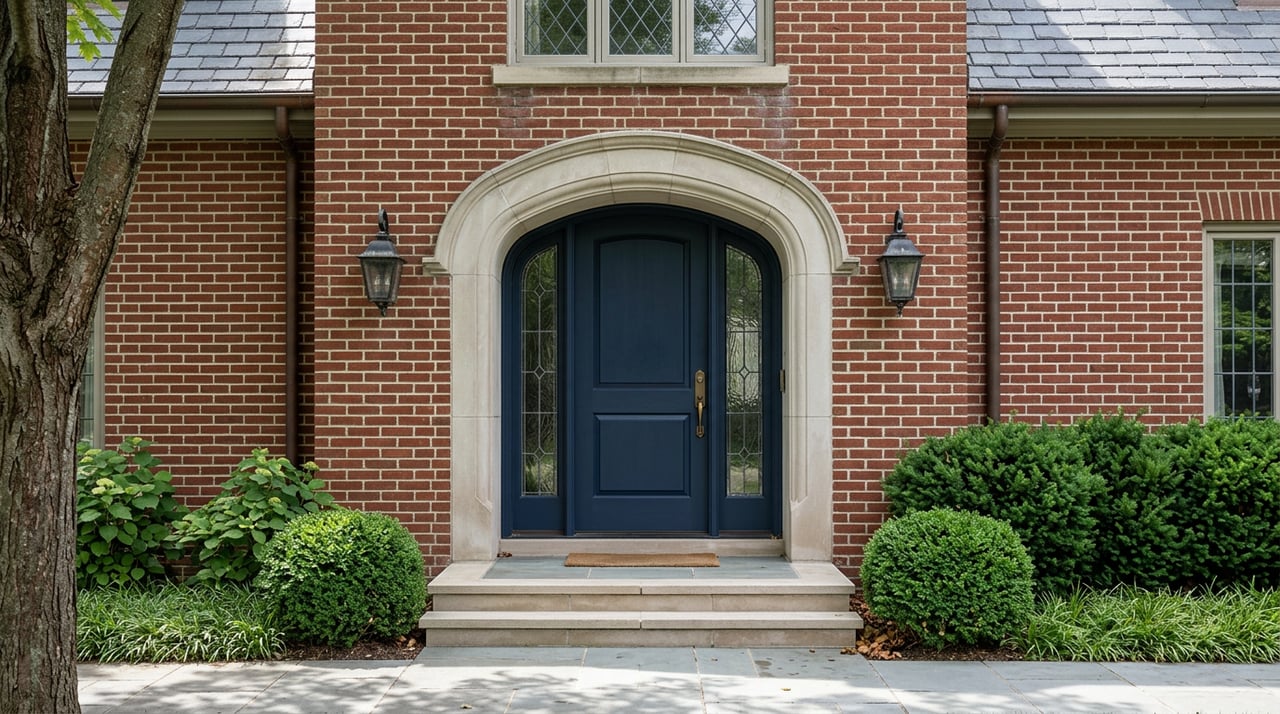
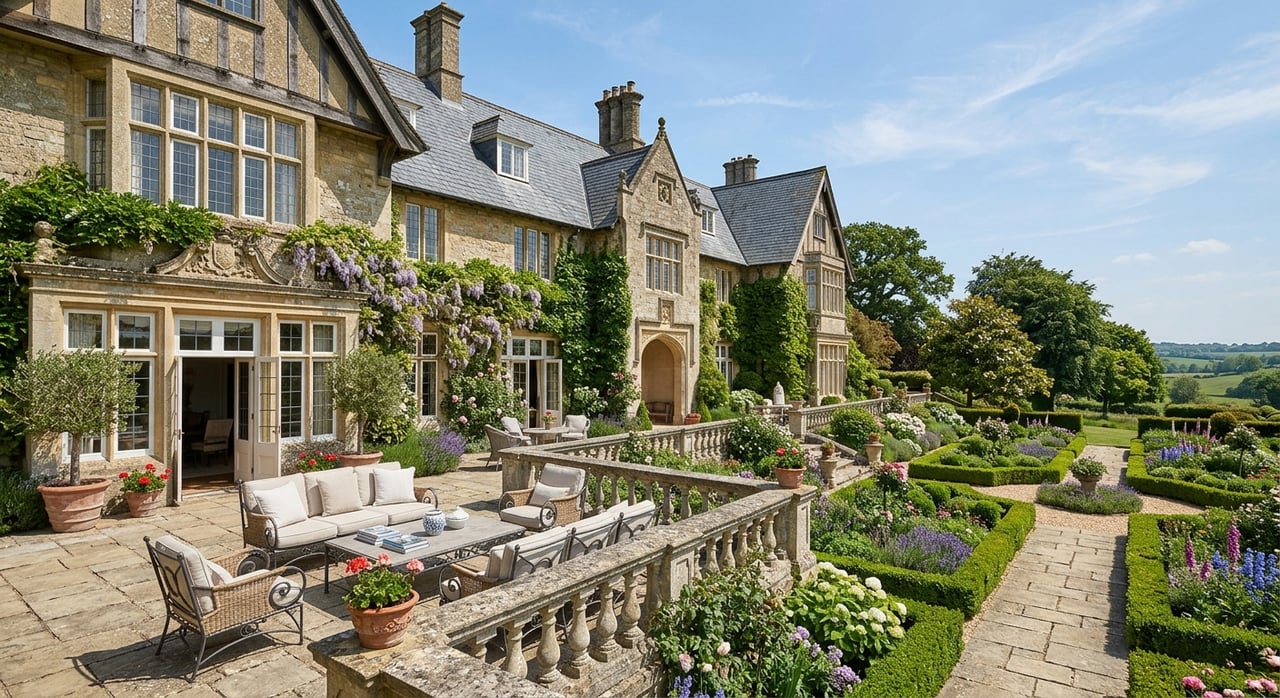
Lake Forest’s large‑lot estates often present Tudor Revival facades with half‑timbering, classical Georgian or Colonial Revival symmetry, or Beaux‑Arts and Neoclassical formality. You will also see Arts & Crafts and English‑country influences in houses by leading early‑20th‑century architects. These homes typically feature grand public rooms, a principal stair hall, and a separate service wing.
Inside, the plan often includes a formal living room, dining room, library or drawing room, and wide circulation that connects to a rear kitchen and original service spaces. Many estates include carriage houses or garage courtyards, plus multiple bedrooms and former staff rooms on upper floors or in attics. This country‑house pattern is well documented across local nominations and estate histories.
Closer to the train and Market Square, you will find an eclectic mix that mirrors national trends from the late 19th and early 20th centuries. Queen Anne and other Late Victorian styles appear on earlier blocks, while Craftsman, American Four‑Square, Prairie School influences, and Tudor or Colonial Revival infill define many streets from the 1910s through the 1930s. For a style‑by‑style look at Lake Forest’s neighborhoods and preservation culture, see this overview of architectural Lake Forest from the local preservation community published in Traditional Building.
Plan patterns vary by era. Many in‑town homes use center‑hall or side‑hall layouts that cleanly separate public and private rooms. Bungalows and foursquares tend to group spaces in efficient blocks with built‑ins and more open flow than earlier Victorian houses. Prairie‑influenced plans often connect living and dining areas to emphasize horizontal movement and light.
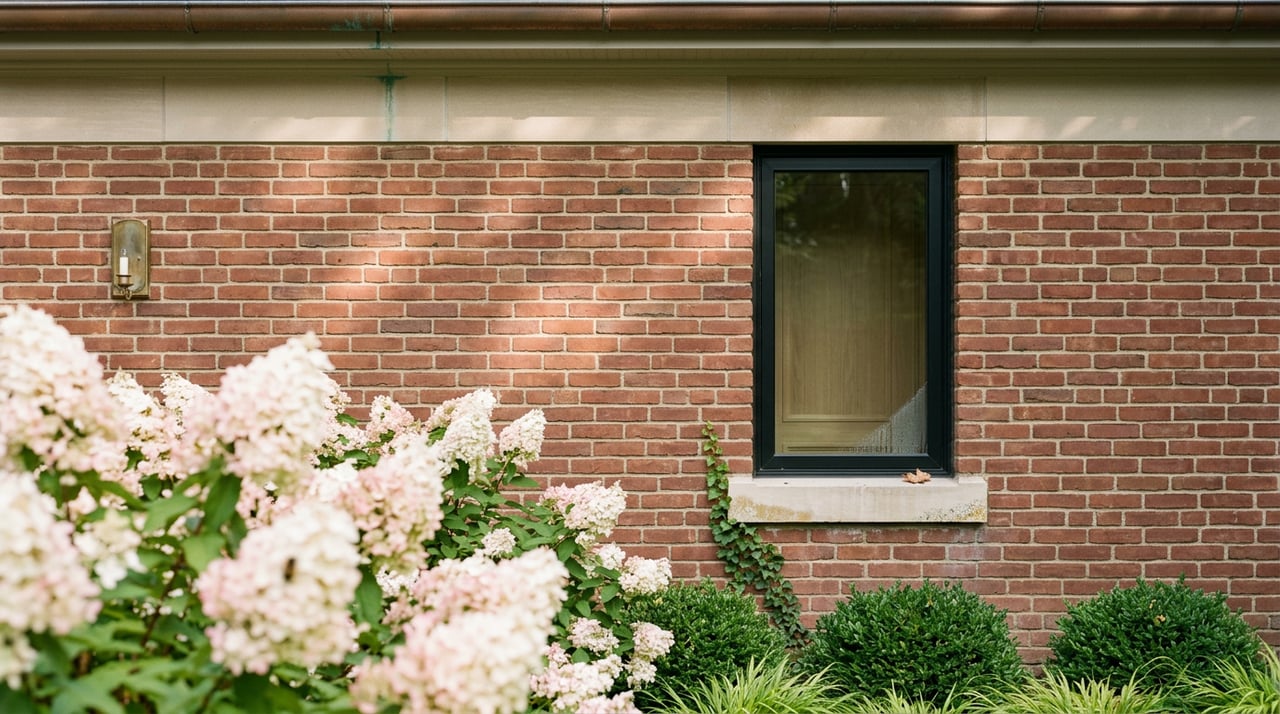
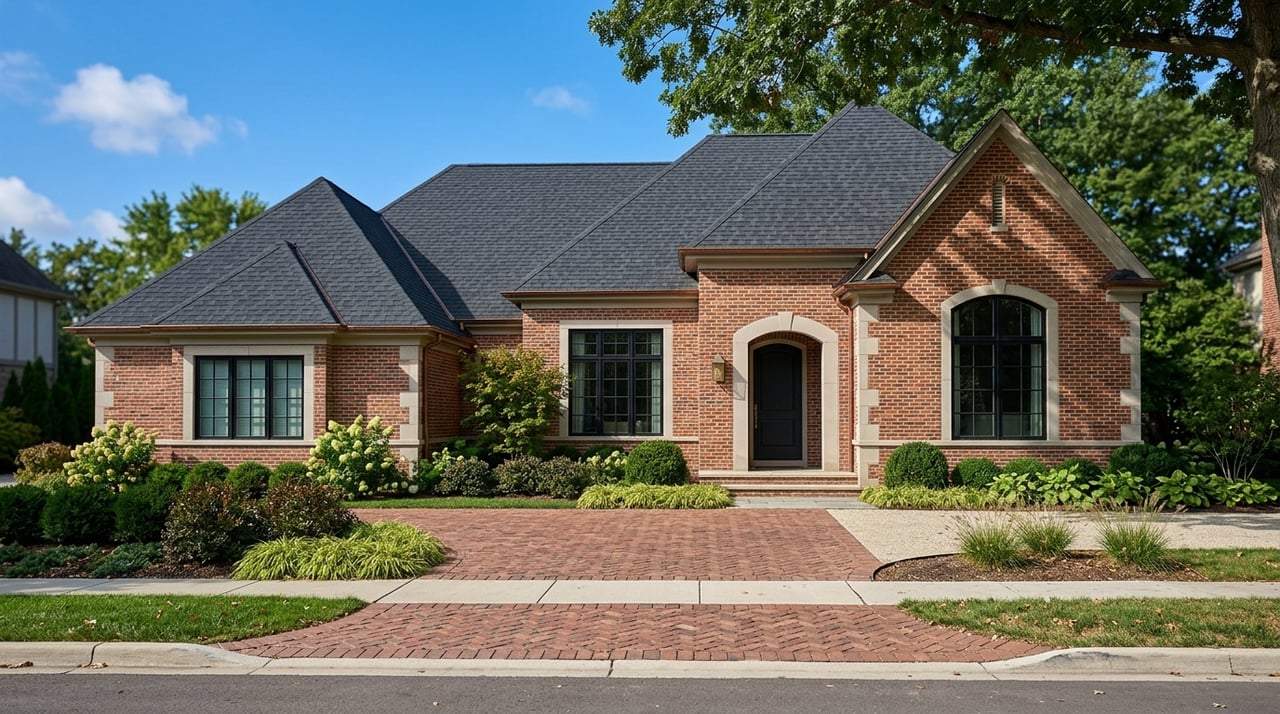
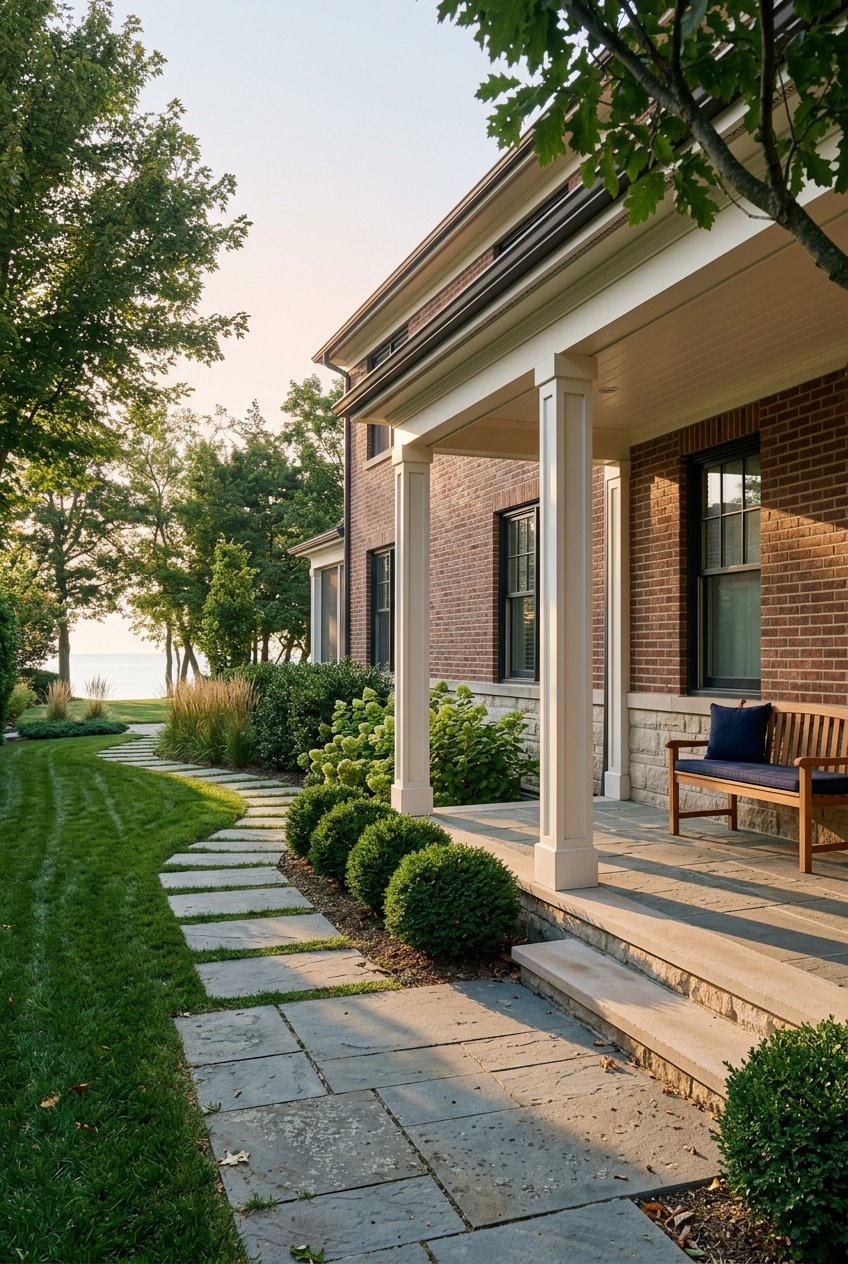
Across Lake Forest, expect finely crafted exteriors: regional stone and brick, stucco with half‑timbering on Tudor Revival homes, and slate or clay tile roofs on higher‑style designs. Leaded or divided‑light windows and detailed wood trim are common on revival houses. On larger properties, you will often find formal walls, gates, and garden structures that were part of comprehensive estate plans.
Lake Forest’s character is as much about setting as architecture. The town’s park‑like framework and estate gardens reflect the work of influential landscape architects and a civic commitment to open space. A national landscape resource highlights the role of figures such as Jens Jensen, the Olmsted firms, and Rose Standish Nichols in shaping the area’s visual identity. You can learn more about this planning legacy at The Cultural Landscape Foundation.
On surviving estates, you will often see coach or carriage houses, gardener’s cottages, greenhouses, and walled gardens. Many have been sensitively adapted as guest quarters, studios, or secondary dwellings, continuing the estate tradition while serving modern needs. These elements contribute to the layered, lived‑in quality that makes Lake Forest feel both refined and authentic.
Start by verifying whether a property is an individually designated landmark, a contributing property in a district, or within a local historic district. In Lake Forest, the HPC reviews exterior changes visible from the public way and issues Certificates of Appropriateness. This local review is what governs design decisions and timing for visible work. Read the key provisions in the City preservation code.
National Register listing is primarily honorary for private owners. It does not by itself stop you from altering your home, although projects using federal or state tax credits involve additional review. For context on local listings, see the National Register entry for the Lake Forest Historic District.
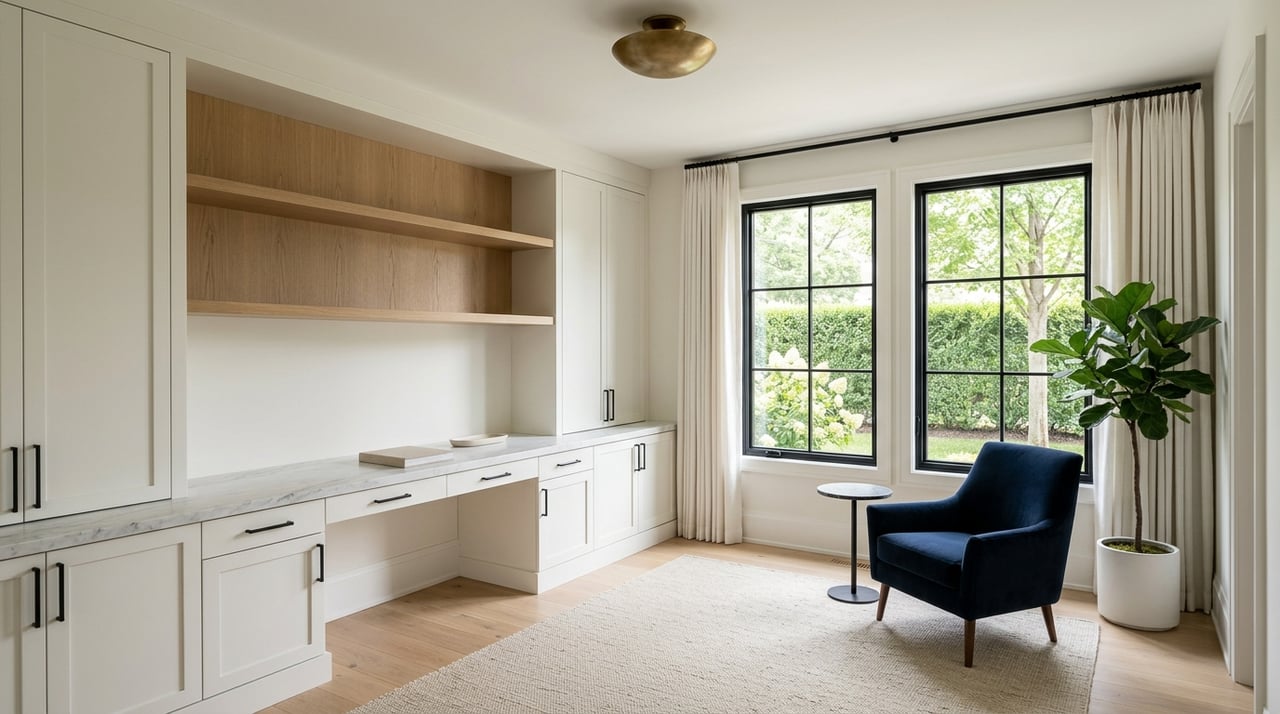
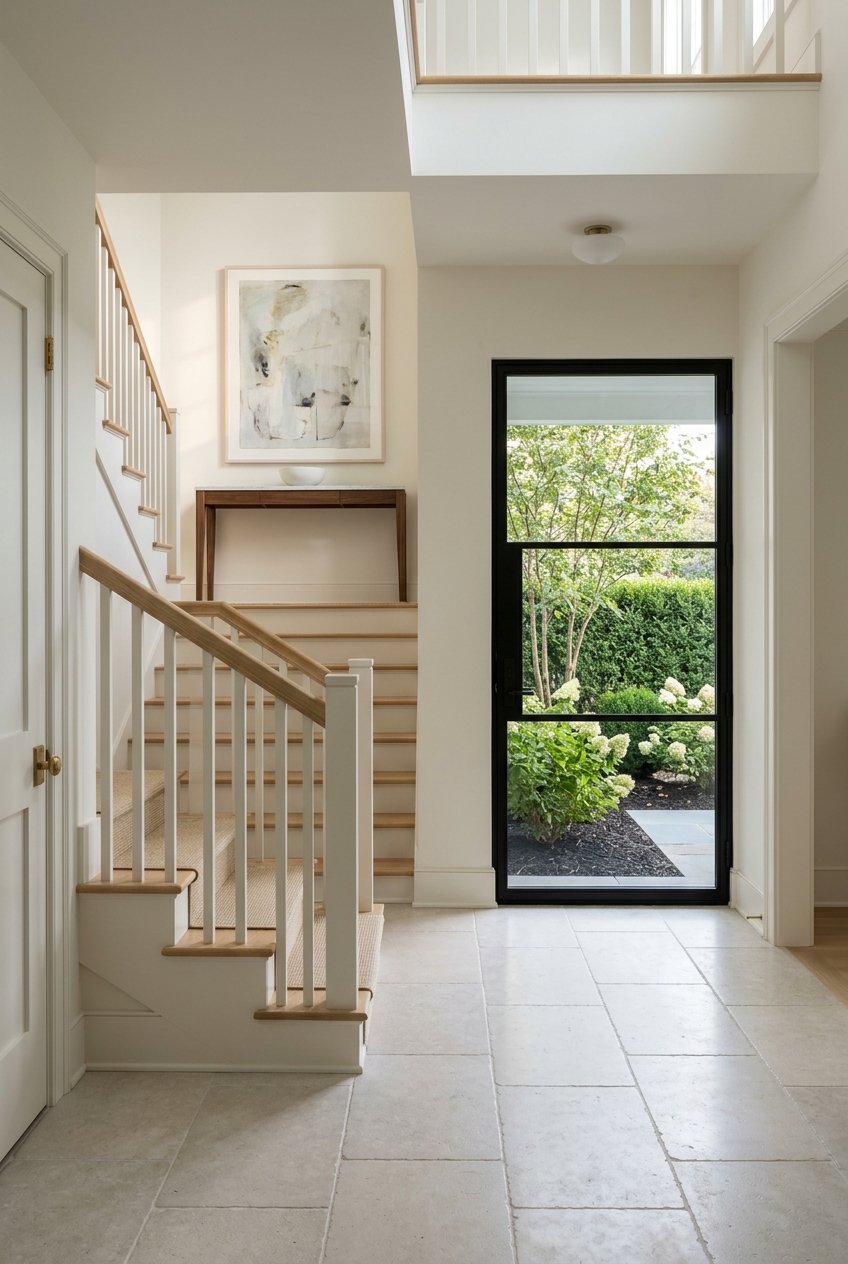
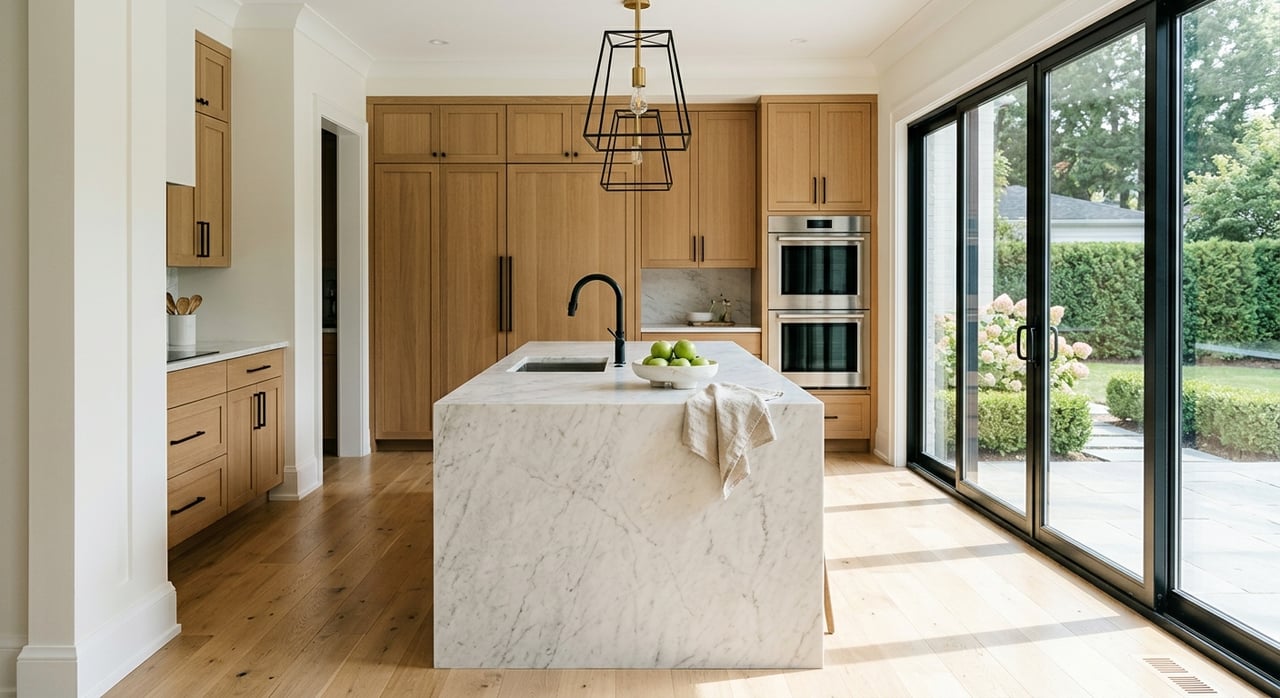
When you sell a historic home, the goal is to honor its architecture while presenting it with clarity and warmth. Thoughtful staging, color consultation, and edited furnishings can highlight millwork, window proportions, and circulation in a way that helps buyers understand how the house lives today. The right photography and narrative bring out provenance and lifestyle without overwhelming the listing with period detail. A curated approach often shortens time to market and protects value by showing character as an asset rather than a project.
If you are considering buying or selling a Lake Forest character home, let’s talk about a plan that blends preservation know‑how with polished presentation. Connect with the Kim & Carleigh Team to Schedule a design-forward consultation.
Stay up to date on the latest real estate trends.
Kim and Carleigh craft tailored marketing strategies that maximize impact and elevate every listing. Their results-driven approach delivers exceptional outcomes for buyers and sellers alike.

Kim Shortsle
Carleigh Goldsberry
560 Oakwood Ave Ste 101 Lake Forest IL 60045