
How to Sell a Lake Forest Estate Home Strategically
July 9, 2026
July 9, 2026
Selling a Lake Forest estate is rarely a quick decision. In a market where homes often carry years of design choices, updates, and family history, the process works best when it is thoughtful from the start. If you want to protect value, avoid avoidable delays, and present your home at its best, a clear roadmap can make all the difference. Let’s dive in.
Lake Forest remains a high-value detached home market, but it is not a place where you can wing the launch. The latest MRED local market update shows 272 detached closed sales over the trailing 12 months, a median sales price of $1,382,500, average market time of 60 days, 98.3% of original list price received, and 39 homes for sale at month-end.
Other local snapshots point to a similar story, even though the numbers differ by source and time frame. Realtor.com’s May 2026 data shows 104 homes for sale, a median listing price of $1.9 million, a 34-day median on market, and a 100% sales-to-list ratio, while Redfin reports a recent median sale price near $1.28 million and 49 days on market. Together, these reports suggest a luxury market where presentation, pricing, and timing matter.
For many estate sellers, this is also a once-in-a-decade move. NAR reports that the typical seller lives in a home for 10 years before selling, which helps explain why estate sales often feel layered and emotional. A calm, step-by-step plan gives you room to make good decisions.
Before paint colors, photography, or showings, take a hard look at the property itself. Estate homes often involve larger footprints, older architectural details, mature landscaping, and prior additions, which means even small pre-sale projects can affect your timeline.
In Lake Forest, the city’s Building Review Board says you should contact Community Development staff at the beginning of the design process. It also states that applications should be submitted six weeks before the meeting, and the footprint of new residences and additions must be staked at least two weeks before the meeting.
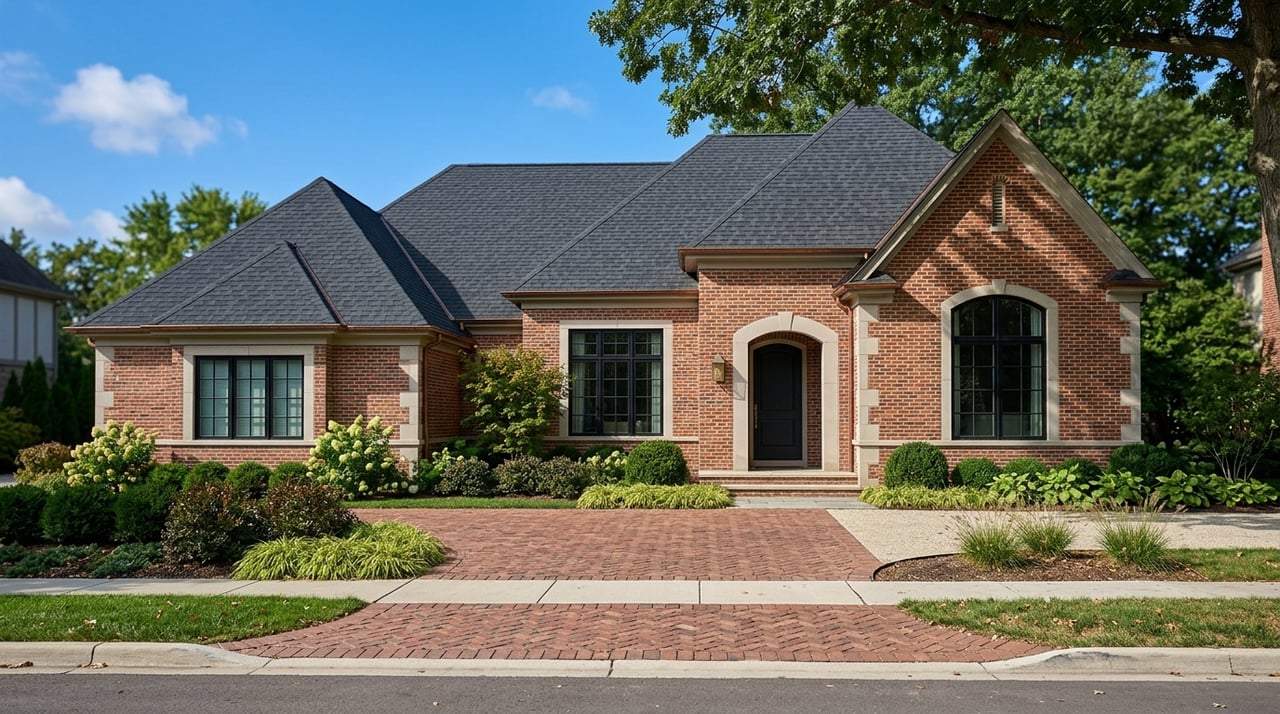
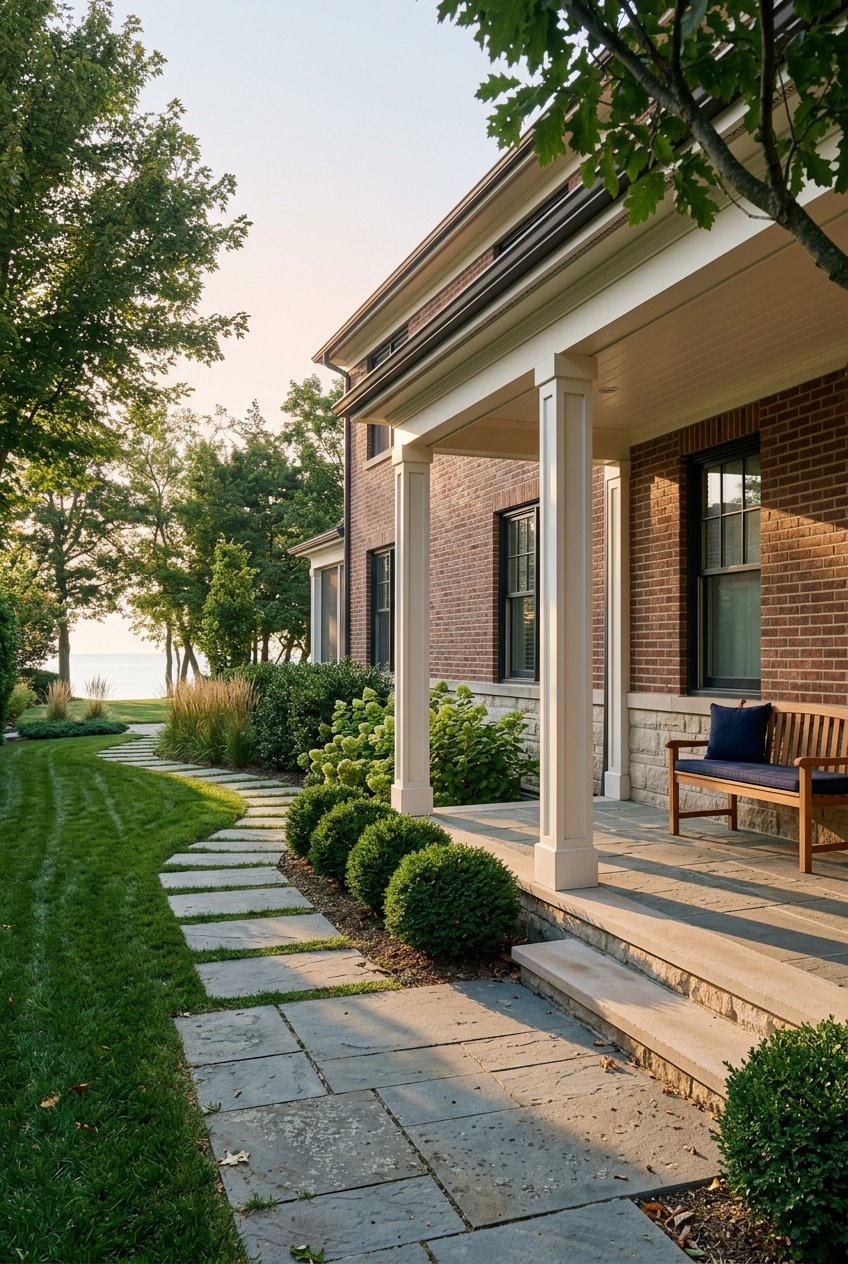
That matters if you are considering exterior work before listing. Roof changes, windows, façade work, driveway improvements, patios, and landscaping decisions should be checked early so your sale preparation is not slowed by review requirements.
The city also encourages renovation, updating, and expansion while discouraging demolitions. A project may be treated as a demolition if part of an exterior wall, foundation, or roof is removed, or if the work substantially changes the front façade or adds a second floor. If your home needs pre-sale work, you want clarity on that from the beginning.
Some Lake Forest properties fall within local historic districts or have landmark status. The city identifies the East Lake Forest, Green Bay Road, and Vine/Oakwood/Green Bay Road historic districts, and the Historic Preservation Commission process may apply.
The city encourages pre-application meetings and requests detailed exterior-material documentation. Both the Building Review Board and Historic Preservation Commission materials emphasize natural materials, which is especially useful when you are refreshing an architecturally significant home for market.
If your estate has notable architectural character, treat that character as an asset. Thoughtful updates usually work better than broad, generic changes.
Once the property review is underway, the next step is deciding what to improve, what to leave alone, and what to highlight. In a luxury market, buyers notice condition, flow, and visual consistency quickly, especially online.
This is where a design-forward plan can create real leverage. Instead of making scattered updates, focus on the choices that support a more cohesive presentation and a smoother launch.
A strong pre-sale strategy often includes:
For a large estate, this phase is less about filling rooms and more about helping buyers understand scale, circulation, and craftsmanship. The goal is a home that feels polished, intentional, and easy to read.
In Lake Forest, a rushed launch can cost you momentum. Buyers in this price range often compare architecture, finishes, grounds, and overall condition closely, so your first impression needs to be strong.
NAR’s 2025 staging research supports a presentation-first approach. Among buyers’ agents, 83% said staging made it easier for buyers to visualize the property as their future home. Among sellers’ agents, 30% reported a slight decrease in market time and 19% reported a large decrease.
The most commonly recommended prep items were practical and familiar. Sellers’ agents most often suggested decluttering, whole-home cleaning, and improving curb appeal. Those basics still matter, even in the upper tier of the market.
According to NAR, the rooms most often staged are the living room, primary bedroom, kitchen, dining room, and outdoor spaces. For an estate home, those spaces usually shape the buyer’s emotional and visual impression first.
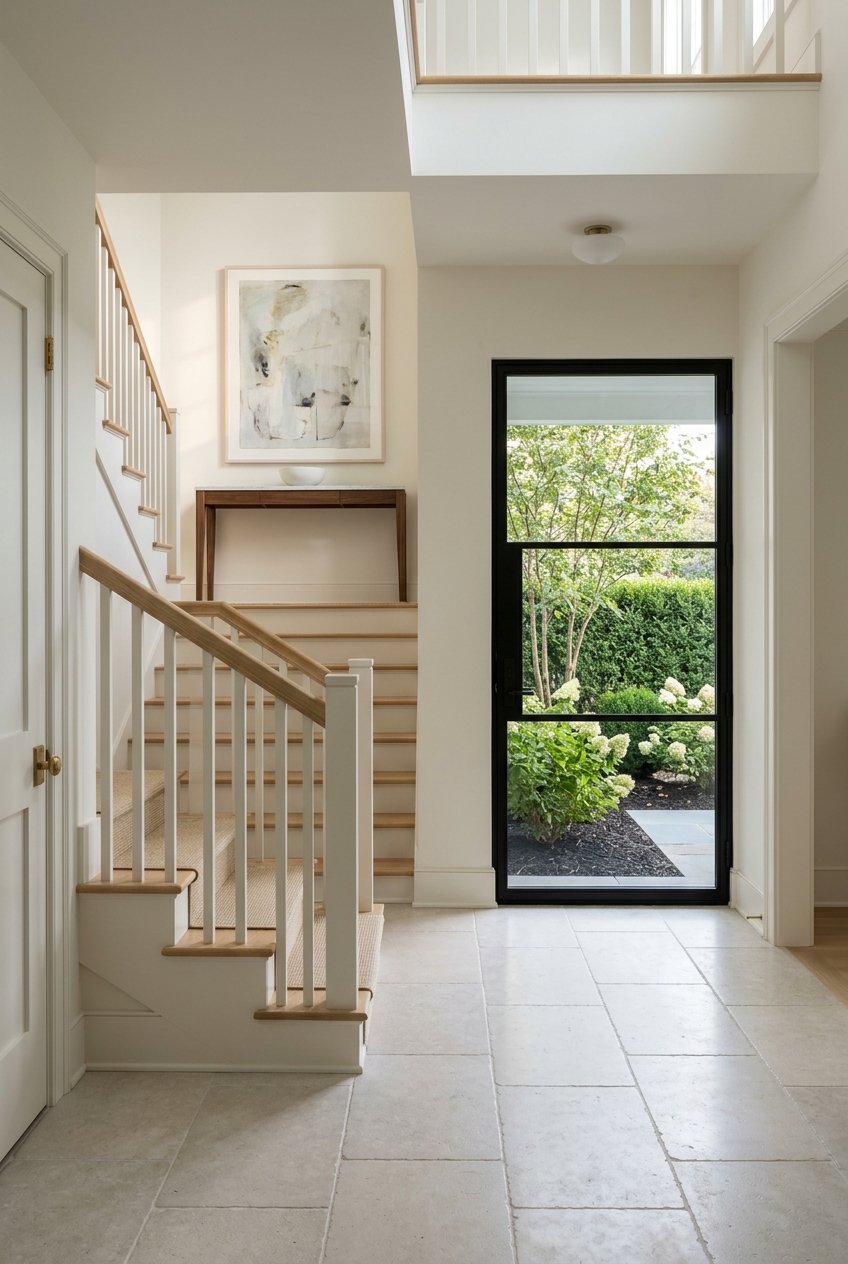
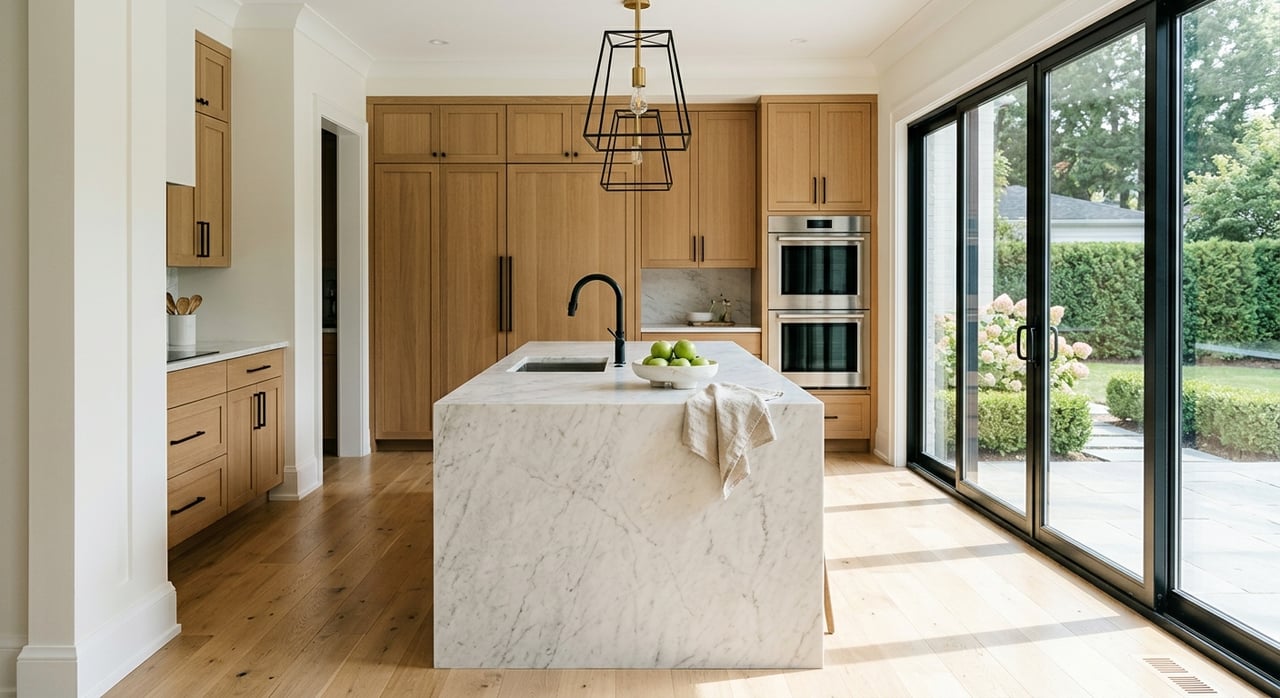
Thoughtful staging can help define oversized rooms, improve flow, and let architectural features stand out. If your home has beautiful millwork, large windows, a gracious stair hall, or strong indoor-outdoor connections, your presentation should make those strengths obvious.
Most buyers begin their search online, which means your digital debut matters as much as the in-person showing. NAR reports that photos were highly valued by 88% of sellers’ agents, with videos also playing an important role.
That is especially true for estate listings, where room count alone does not communicate the experience of the home. Professional visuals should show proportion, natural light, materials, and the relationship between formal and casual spaces.
NAR also reports that some sellers’ agents saw staging increase the dollar value offered, with 19% reporting gains of 1% to 5% and 10% reporting gains of 6% to 10%. Those are reported outcomes, not guarantees, but they reinforce the value of a well-prepared launch.
Pricing an estate is not just a math exercise. It is a positioning decision that should reflect your home’s condition, design quality, lot, location, and current competition.
With Lake Forest data showing strong values but varying days on market depending on source, the takeaway is simple. You want a price that supports buyer interest from day one rather than forcing repeated adjustments later.
A thoughtful pricing strategy should account for:
When pricing and presentation work together, you give your home the best chance to attract serious attention early.
As buyer interest builds, paperwork becomes part of the strategy. In Illinois, the Residential Real Property Disclosure Act covers most one-to-four-unit residential sales.
The seller and all owners complete the disclosure form, and it must be delivered before a binding contract is entered into. If a buyer receives the disclosure after contract signing and it reveals a material defect, the buyer may have a three-business-day right to terminate.
For estate sellers, this means gathering property information early is wise. If multiple owners are involved, or if the home has had years of maintenance, renovations, or deferred items, getting organized ahead of time can reduce friction later.
The highest price is not always the strongest offer. Closing timing, contingencies, financing strength, and any request for post-closing occupancy can affect your bottom line and your stress level.
If your family needs extra time after closing, the contract can address post-closing occupancy, rent, utilities, insurance, maintenance, and penalties. Clear terms help prevent confusion during a sensitive transition.
Illinois closings are typically attorney- and title-company-driven. The Illinois State Bar Association says the attorney often arranges the closing, and the closing may include the seller, seller’s attorney, real estate agents, escrow agent or closer, and sometimes the lender.
Seller-side closing paperwork commonly includes the deed, state and local transfer-tax declarations, an affidavit of title, a bill of sale for personal property included in the contract, payoff letters, and proof that municipal transfer requirements have been met. For an estate property, getting these items lined up early can help the final stretch feel much more controlled.
The title company’s settlement statement compiles charges and credits for both sides. That includes transfer taxes, title fees, commissions, and repairs, so reviewing your estimated net proceeds before closing is important.
Transfer taxes can materially affect your final numbers, especially at Lake Forest price points. Lake County says it collects the state and county transfer taxes at recording, and Lake Forest properties also need a municipal stamp or exemption letter.
The county pamphlet lists the state rate at 50 cents per $500 and the county rate at 25 cents per $500. The City of Lake Forest says its real estate transfer tax is $4.00 per $1,000 of value.
The same county guidance notes that the sales contract controls whether buyer or seller pays the tax. That makes transfer-tax planning an important point of negotiation, not just an afterthought at the closing table.
Lake County notes that PTAX-203 declarations can be handled through the MyDec system, and that the PTAX-203 itself is not recorded, while the stamped deed is. That is part of the recording path for the transaction.
Property taxes in Illinois are administered locally and are generally billed in two installments. For long-held estate homes, careful attention to tax prorations and any special assessments can make a meaningful difference in your final net sheet.
If you want a practical way to think about the process, follow this sequence:
A well-sold estate usually reflects good sequencing. When each step is handled with care, you protect both the story of the home and the financial outcome.
If you are preparing to sell a Lake Forest estate, the right guidance can help you move with more confidence and less guesswork. The Kim & Carleigh Team brings boutique, design-forward support to every stage, from thoughtful pre-sale preparation to a polished market launch.
Stay up to date on the latest real estate trends.
Kim and Carleigh craft tailored marketing strategies that maximize impact and elevate every listing. Their results-driven approach delivers exceptional outcomes for buyers and sellers alike.

Kim Shortsle
Carleigh Goldsberry
560 Oakwood Ave Ste 101 Lake Forest IL 60045